Does a Post Hole Digger Fit My Tractor?
By Roy Messiah · Last updated: 19 July 2026
Top pick tractors in this guide
The bottom line
A post hole digger fits when hitch category, PTO shaft power, PTO speed, and rear lift clear the digger sheet. Auger diameter and gearbox mass matter as much as engine marketing. Sub-compacts often pass only small diggers with Limited Category I support. Use the Attachment Fit checker, then confirm OEM manuals for your serial year.
Numeric specs in pick tables come from manufacturer pages in our verified database — not from AI-generated text.
How size classes compare
Tractor size classes (typical range)
Sub-Compact
1–5 acres
Loader and mower
Compact
5–20 acres
Bush hog and tiller
Utility
15+ acres
Hay and heavy implements
Illustrative: match class to property size and implement load, not horsepower alone.
Top picks
Pick 1
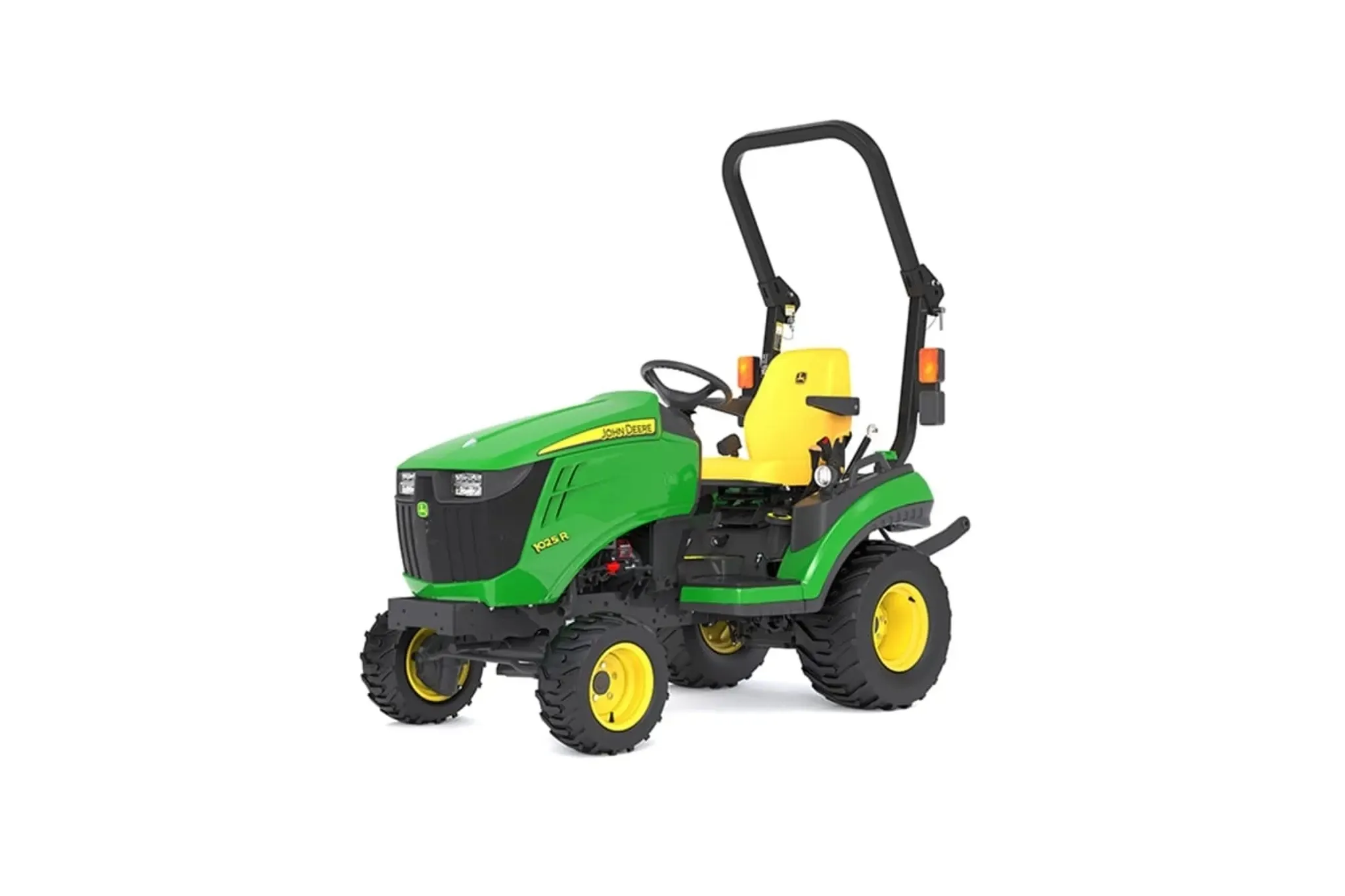
John Deere 1025R
Sub-Compact
Sub-compact contrast — shows when Limited hitch and lift fail larger digger frames.
Verified specifications for John Deere 1025R Engine horsepower 23.9 HP Operating weight 1,556 lbs Rear hitch lift @ 24″ 758 lbs @ 24″ 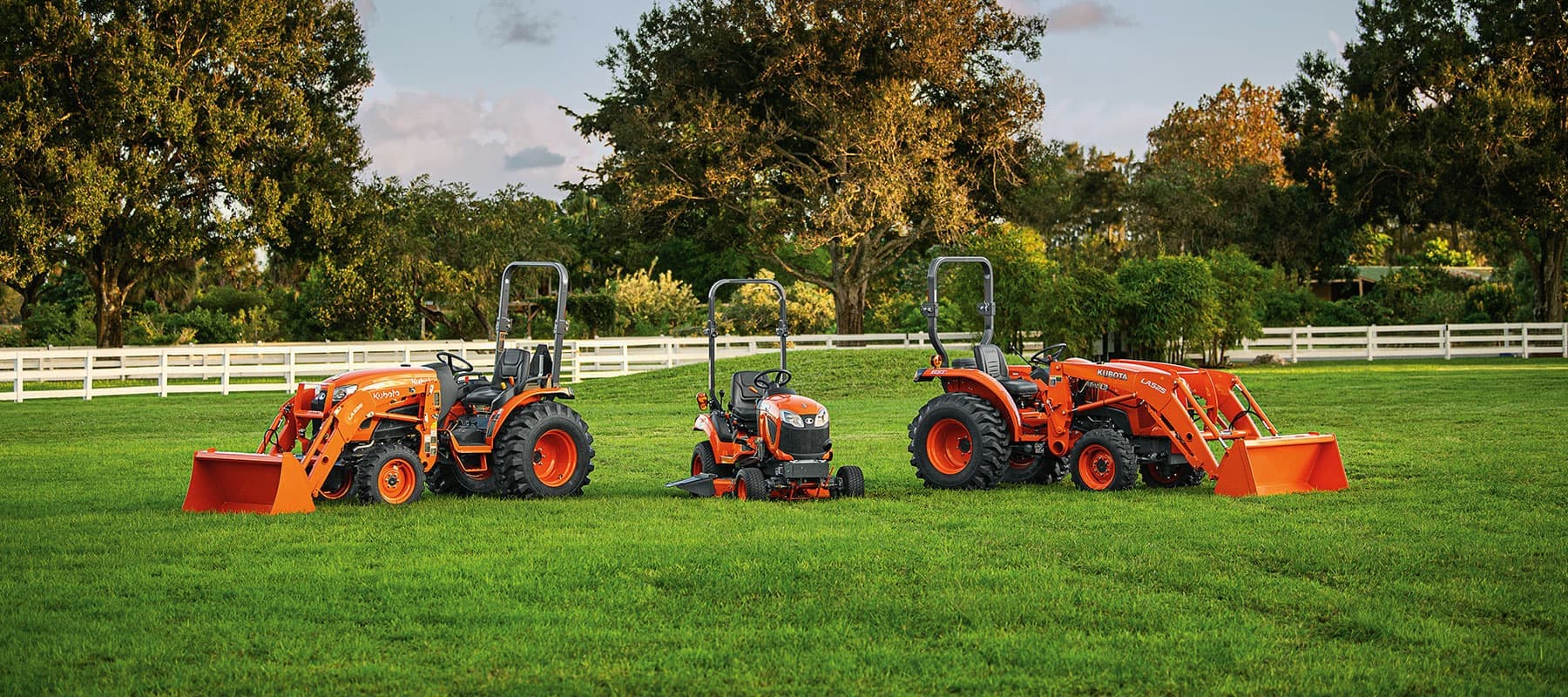
Pick 2
Kubota L2501
Compact
Common compact pairing for fencing and property posts when PTO and hitch Facts clear the digger sheet.
Verified specifications for Kubota L2501 Engine horsepower 24.8 HP Operating weight 2,623 lbs Rear hitch lift @ 24″ 1,389 lbs @ 24″ 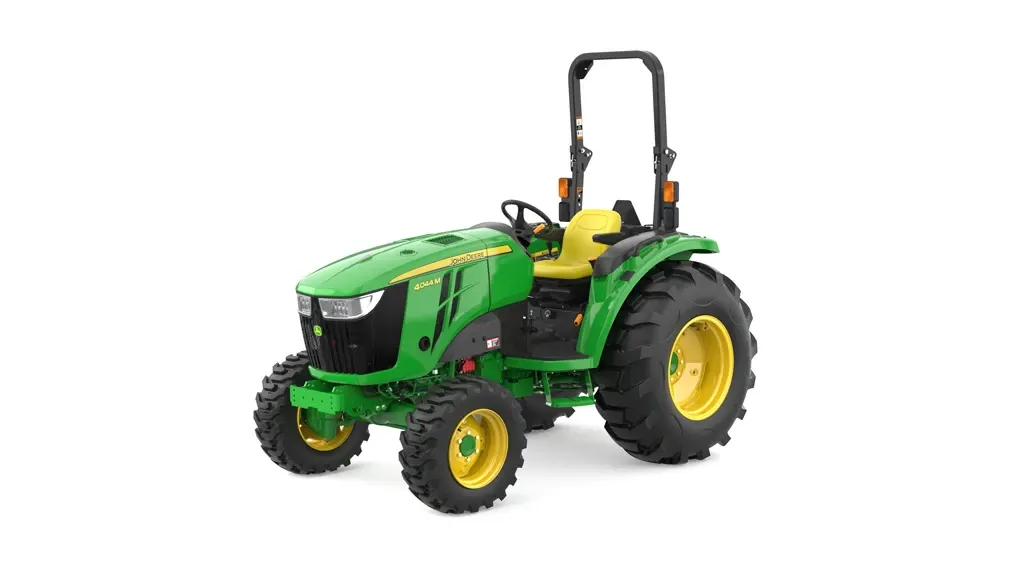
Pick 3
John Deere 4044M
Compact
Step-up when heavier gearboxes and larger augers need more ballast and Category I stability.
Verified specifications for John Deere 4044M Engine horsepower 43.1 HP Operating weight 3,770 lbs Rear hitch lift @ 24″ 2,500 lbs @ 24″
Diggers load the PTO and the hitch
Three-point diggers spin an auger from the rear PTO while the frame hangs on the lower links. Sheets list hitch class, minimum PTO, RPM, and weight. Skipping any one risks stalling, twisted boom arms, or an unstable tractor on soft ground.
Auger size vs tractor class
Smaller augers are more forgiving on compact frames. Larger diameters raise torque demand and often assume full Category I geometry. Limited Category I sub-compacts need sheets that explicitly allow them.
Prove it on Fit, then manuals
Pick your tractor and a digger class in the Attachment Fit checker. Partial means a Fact — usually PTO — is missing; we do not invent shaft ratings. After a paper pass, read serial-year OEM guidance and ballast notes.
Related sizing help
Our post hole digger horsepower guide covers width-of-auger rules of thumb. Pair it with hitch category explainers when Limited Cat I is in play.
What usually fails first
PTO shaft power and rear lift to carry the boom fail more often than hitch pins. Large augers on light frames stall or overload lift even when Category I pins fit.
Soil is still operator judgment
Fit screens published Facts. Rocky or frozen ground can exceed what the sheet assumes. Start with a digger class that clears on paper, then read the implement manual for soil limits.
FAQ
- Is a skid-steer digger the same check?
- No. This guide covers three-point tractor diggers. Skid-steer mounts use different hydraulics and brackets.
- Do I need dual PTO speeds?
- Most property diggers want standard rear PTO speed on the sheet. Match RPM exactly; do not assume interchangeable speeds.
- Why mention ballast?
- Digging can lift the front end. Fit proves hitch and PTO; ballast and soft-ground judgment still sit with the operator and OEM notes.
- What if Fit says incompatible on hitch?
- The digger’s hitch list does not overlap your tractor overlay. Choose a Limited Cat I–rated digger or a tractor with matching hitch class.
- Can I run a larger auger than the digger lists?
- Only if the digger and tractor sheets allow it. Upsizing the bit without checking PTO and lift is a common way to stall or bend equipment.