Category 2 Three-Point Hitch Explained
By Roy Messiah · Last updated: 19 July 2026
Top pick tractors in this guide
The bottom line
Category 2 is the next hitch class above Category 1, built for heavier implements and utility-class tractors. Pin and mast dimensions are larger, so Cat II implements do not drop onto Cat I arms without adapters that still must respect load ratings. If your tractor is Cat I or Limited Cat I, stay with matching implements — or step up the tractor class, not just the adapter sales pitch.
Numeric specs in pick tables come from manufacturer pages in our verified database — not from AI-generated text.
How size classes compare
Tractor size classes (typical range)
Sub-Compact
1–5 acres
Loader and mower
Compact
5–20 acres
Bush hog and tiller
Utility
15+ acres
Hay and heavy implements
Illustrative: match class to property size and implement load, not horsepower alone.
Top picks
Pick 1
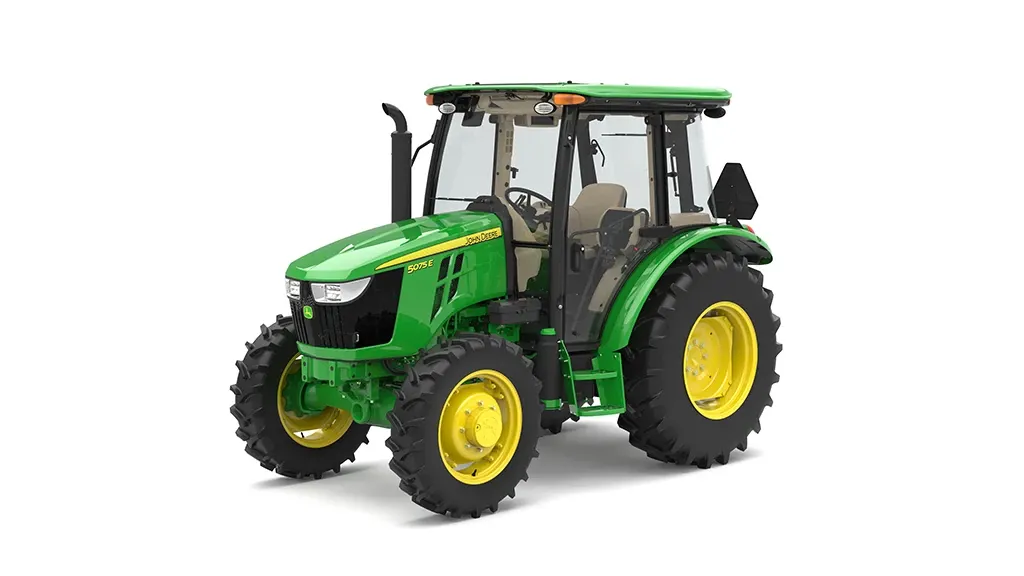
John Deere 5075E
Utility
Utility-class example where Category II hitch capacity matches heavier cutters and tillage tools.
Verified specifications for John Deere 5075E Engine horsepower 71 HP Operating weight 5,445 lbs Rear hitch lift @ 24″ 3,192 lbs @ 24″ 
Pick 2
Kubota MX6000
Utility
Utility MX-class frame where Cat II is the native hitch language for farm implements.
Verified specifications for Kubota MX6000 Engine horsepower 63.4 HP Operating weight 4,268 lbs Rear hitch lift @ 24″ 2,310 lbs @ 24″ 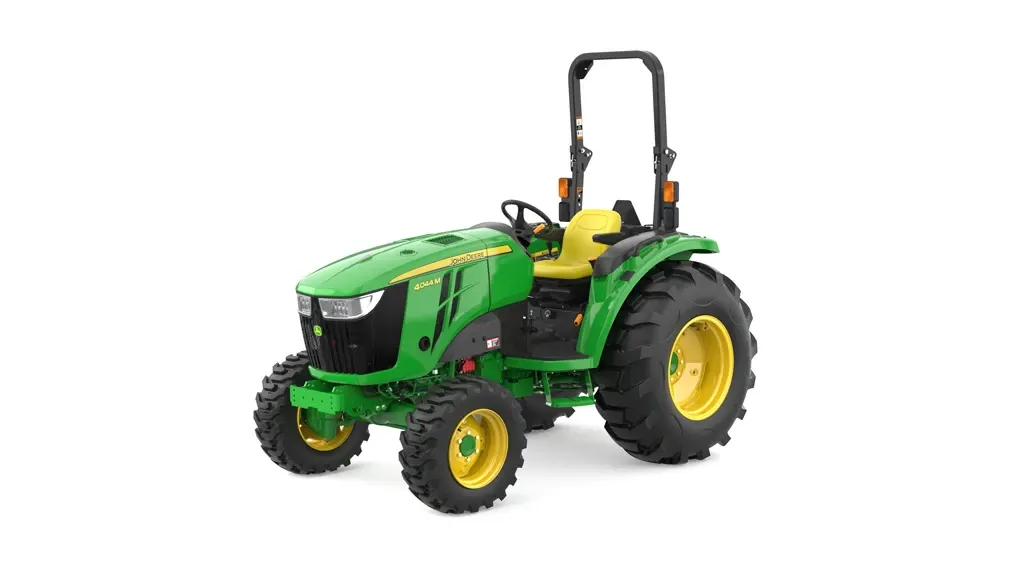
Pick 3
John Deere 4044M
Compact
Compact contrast — many mid-size compacts remain Category I; do not assume Cat II interchange.
Verified specifications for John Deere 4044M Engine horsepower 43.1 HP Operating weight 3,770 lbs Rear hitch lift @ 24″ 2,500 lbs @ 24″
What Category 2 changes
Cat II uses larger hitch pins and spacing than Cat I. That geometry carries heavier implements safely when the tractor’s lift and ballast also match. Mixing classes without a rated adapter is how bent pins and unsafe lifts happen.
Cat I vs Cat II on paper
Our hitch categories guide compares classes side by side. Compact and sub-compact buyers usually live in Limited Cat I or Cat I. Utility buyers more often meet Cat II on OEM sheets.
Adapters are not magic
Bushings and conversion kits exist, but they do not raise your tractor’s lift Fact or PTO Fact. Fit still fails if weight or shaft power exceeds the tractor — category adapters only address pin geometry.
How to use Fit with Cat II
Pick your tractor in the Attachment Fit checker. If the overlay is Cat II, Cat II implements can clear the hitch check when other Facts pass. Cat I-only implements may still list Cat II on some sheets — trust the implement hitch list, not assumptions.
When Cat II shows up in real buying
Heavier hay tools, larger blades, and some utility implements list Category II. Compact Category I machines are not automatic fits. Read both sheets; do not assume a pin adapter makes the tractor stronger.
Fit and Cat II
Our overlays list verified hitch categories where we have OEM sources. If your tractor is Cat I and the implement is Cat II-only, expect an incompatible hitch check — that is the honest outcome.
FAQ
- Can Cat II implements fit a Cat I tractor?
- Not as a free drop-on. You need a rated conversion path and must still clear lift and PTO. Many buyers are better with a Cat I implement.
- Is Limited Cat I related to Cat II?
- No. Limited Category I sits below full Cat I on many sub-compacts. Cat II is a larger class entirely.
- Do quick hitches change category?
- Quick hitches follow the same category family. A Cat II quick hitch does not turn a Cat I tractor into Cat II.
- Where do I see my tractor’s category?
- OEM operator manuals and our Fit overlays when verified. Profiles and Fit show hitch Facts when published.
- Can I adapt Cat II implements to Cat I?
- Geometry adapters exist, but they do not add lift or frame strength. If weight or PTO exceeds the tractor Facts, skip the tool.