Best Utility Tractor for a Small Farm
By Roy Messiah · Last updated: 19 July 2026
Top pick tractors in this guide
The bottom line
Small farms usually need utility class for field hours, heavier implements, and loader stability — not the largest utility on the lot. Match PTO and hitch to your mower, hay, and wagon plans; verify barn clearance and road transport before upsizing for peak-season weeks only.
Numeric specs in pick tables come from manufacturer pages in our verified database — not from AI-generated text.
Top picks
Pick 1
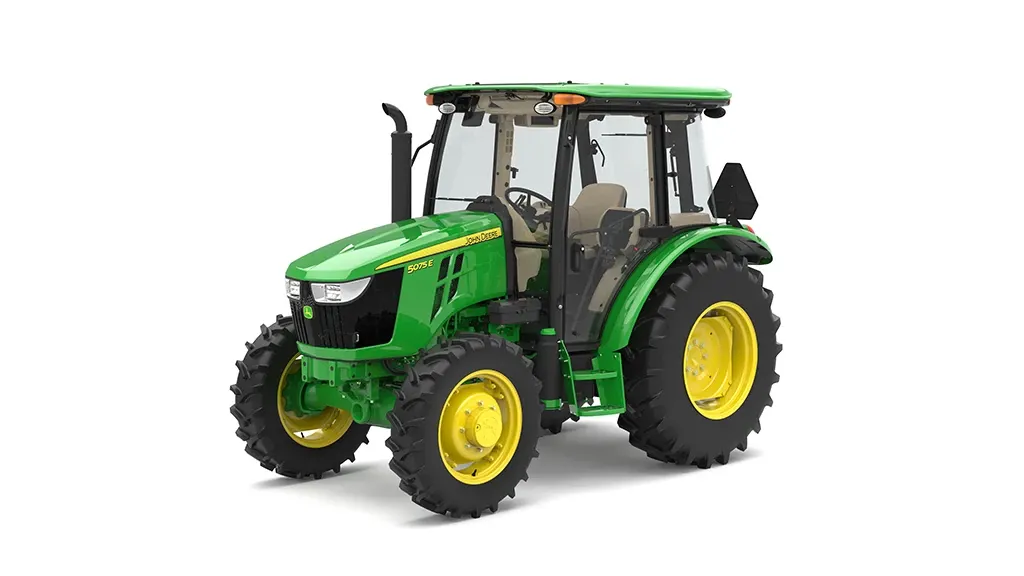
John Deere 5075E
Utility
Common utility reference for small farms — hay-friendly PTO, hitch capacity for field implements, and loader options for daily material chores.
Verified specifications for John Deere 5075E Engine horsepower 71 HP Operating weight 5,445 lbs Rear hitch lift @ 24″ 3,192 lbs @ 24″ 
Pick 2
Kubota MX6000
Utility
Utility alternative with field-duty frame mass and PTO hours for buyers comparing brands on similar small-farm workloads.
Verified specifications for Kubota MX6000 Engine horsepower 63.4 HP Operating weight 4,268 lbs Rear hitch lift @ 24″ 2,310 lbs @ 24″ 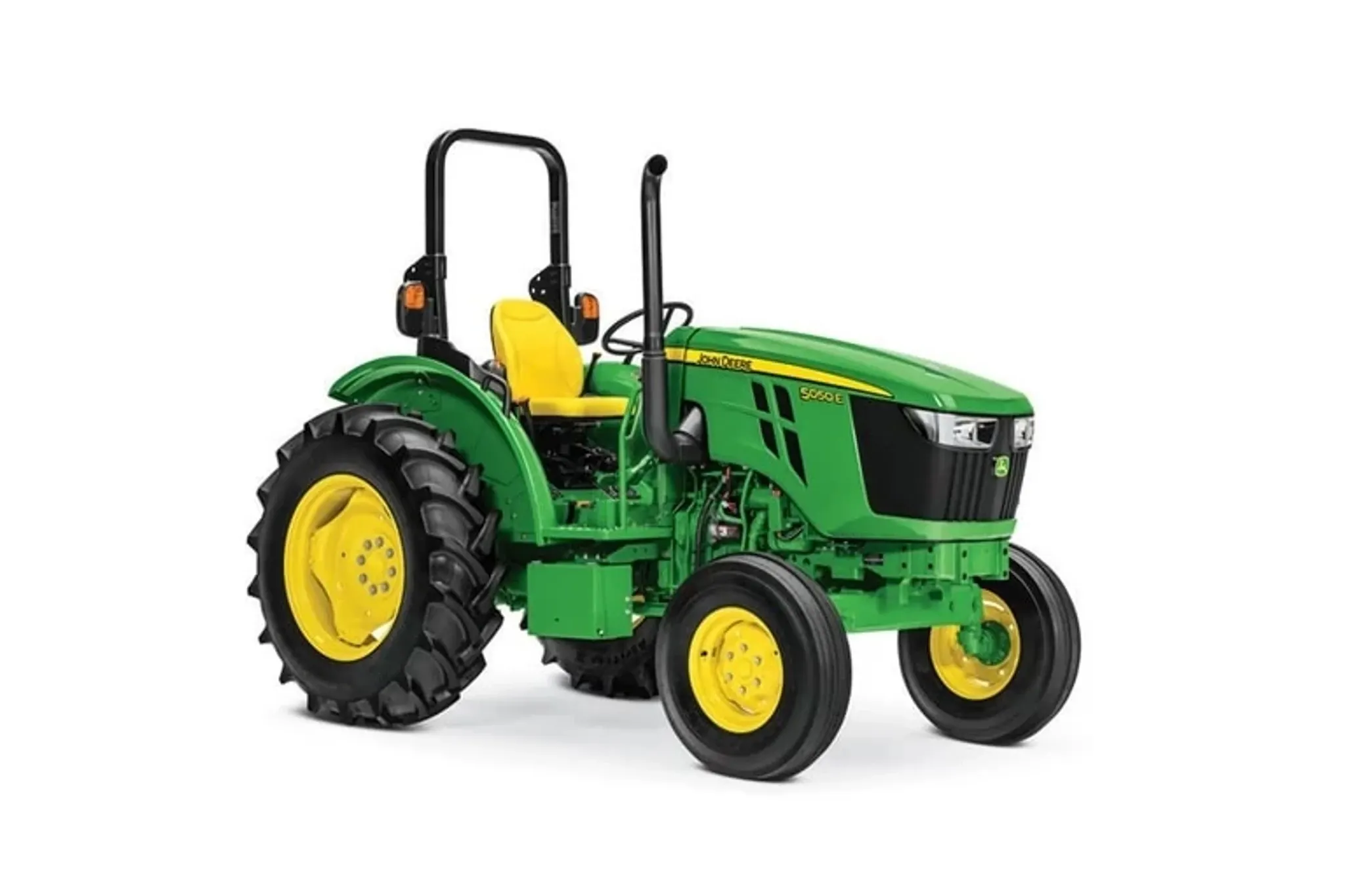
Pick 3
John Deere 5055E
Utility
Step-down utility option when farm work is real but transport width and storage limit the largest frames in the lineup.
Verified specifications for John Deere 5055E Engine horsepower 55 HP Operating weight 4,652 lbs Rear hitch lift @ 24″ 3,192 lbs @ 24″
How size classes compare
Tractor size classes (typical range)
Sub-Compact
1–5 acres
Loader and mower
Compact
5–20 acres
Bush hog and tiller
Utility
15+ acres
Hay and heavy implements
Illustrative: match class to property size and implement load, not horsepower alone.
Small farm vs. large acreage hobby
Small farms earn income or feed livestock at scale — field hours, implement swaps, and reliability matter more than on a weekend property. Utility class is the usual floor when hay, wagons, and heavy loaders are weekly, not annual.
PTO hours and implement list
List every three-point and PTO implement you will run monthly. Utility tractors separate from compacts when disc mowers, large spreaders, or heavy bush hogging enter the plan. Our implement-matching guide covers pairing discipline.
Storage and transport
Utility width and length stress barn doors and trailers. Measure before buying the biggest frame that fits the budget — oversized utilities slow every chore outside the field.
Utility for implements that outgrow compact
Small-farm utility frames exist for heavier cutters, tillage, and loader cycles. Still screen hitch, PTO, and lift — a utility badge does not invent shaft ratings.
Start from the implement sheet
List hay, fencing, and tillage tools first. Fit them against candidates. Use Compare for peer HP bands, then talk to a dealer about local options.
FAQ
- Can a compact run a small farm?
- Sometimes for very small acreage and light implements. Most small farms outgrow compact PTO and hitch limits once hay or commercial field work appears.
- Do I need a cab for farm work?
- Open station works for short tasks; cabs help on long PTO days and winter feeding. Factor operator hours realistically.
- How do I size utility without overshooting?
- Start from your largest implement OEM requirements and hay hours, then verify loader needs separately. Buy capability for regular peak weeks — not a single worst-case field once a decade.
- Can a compact still run a small farm?
- Yes for lighter implement sets. When Fit shows repeated Fail/Partial on farm tools, utility class is the honest step up.