Does a Rear Blade Fit My Tractor?
By Roy Messiah · Last updated: 19 July 2026
Top pick tractors in this guide
The bottom line
A rear blade fits when hitch category and rear lift clear the blade sheet with headroom — PTO is usually not required. Angle and reverse functions do not change hitch class. Sub-compacts often fail wide, heavy blades on Limited Category I or lift. Use the Attachment Fit checker, then confirm OEM weight and hitch notes.
Numeric specs in pick tables come from manufacturer pages in our verified database — not from AI-generated text.
How size classes compare
Tractor size classes (typical range)
Sub-Compact
1–5 acres
Loader and mower
Compact
5–20 acres
Bush hog and tiller
Utility
15+ acres
Hay and heavy implements
Illustrative: match class to property size and implement load, not horsepower alone.
Top picks
Pick 1
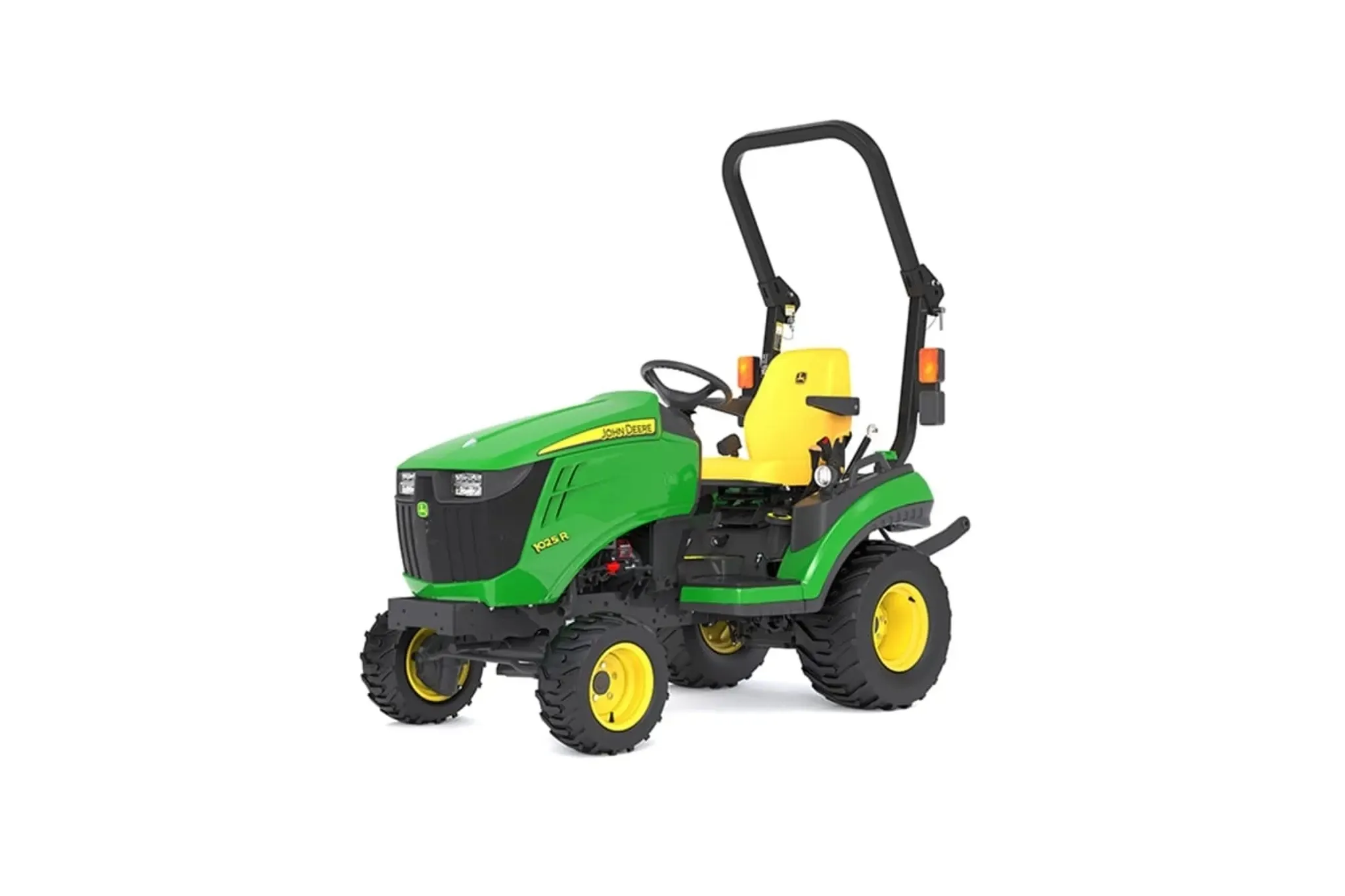
John Deere 1025R
Sub-Compact
Sub-compact contrast — wide blades often fail Limited hitch or lift before engine rating matters.
Verified specifications for John Deere 1025R Engine horsepower 23.9 HP Operating weight 1,556 lbs Rear hitch lift @ 24″ 758 lbs @ 24″ 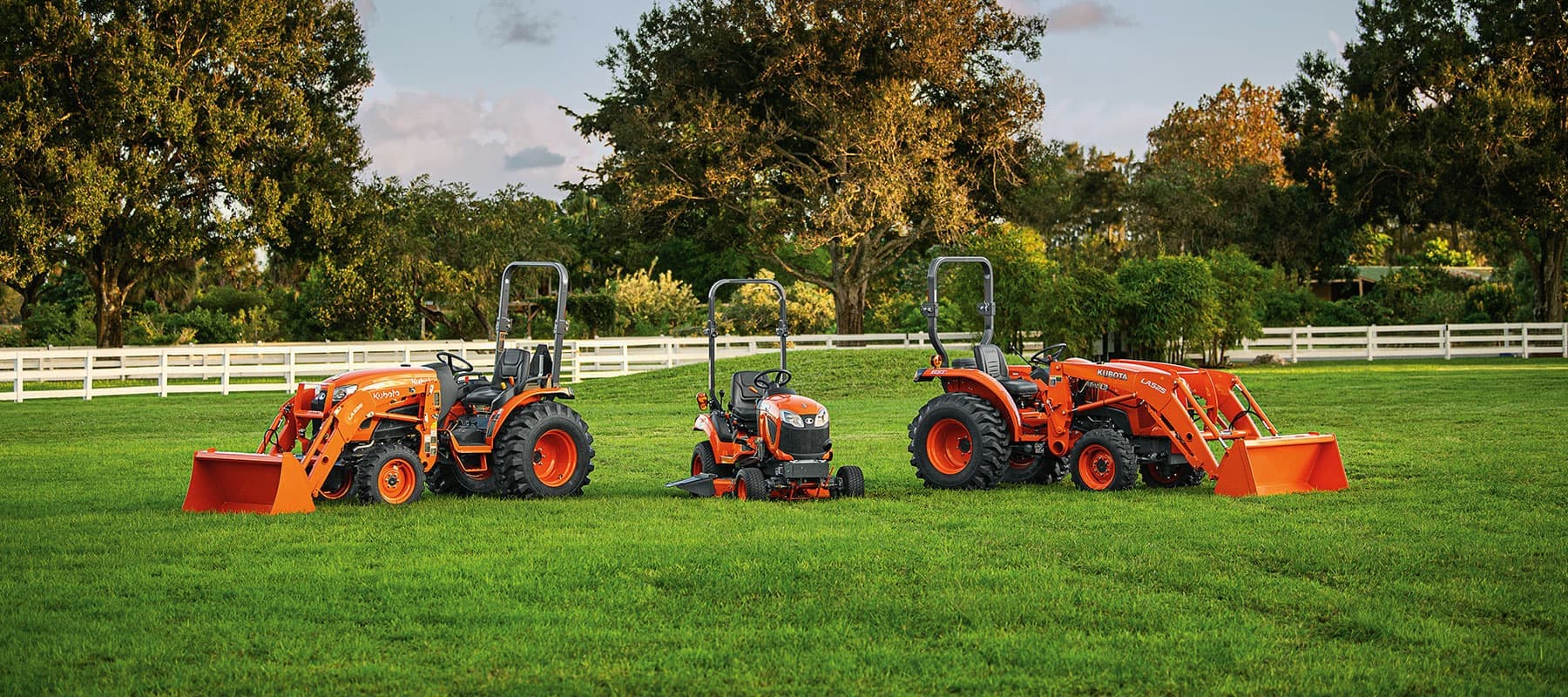
Pick 2
Kubota L2501
Compact
Common compact pairing for driveway and light grading when hitch and lift Facts clear the blade sheet.
Verified specifications for Kubota L2501 Engine horsepower 24.8 HP Operating weight 2,623 lbs Rear hitch lift @ 24″ 1,389 lbs @ 24″ 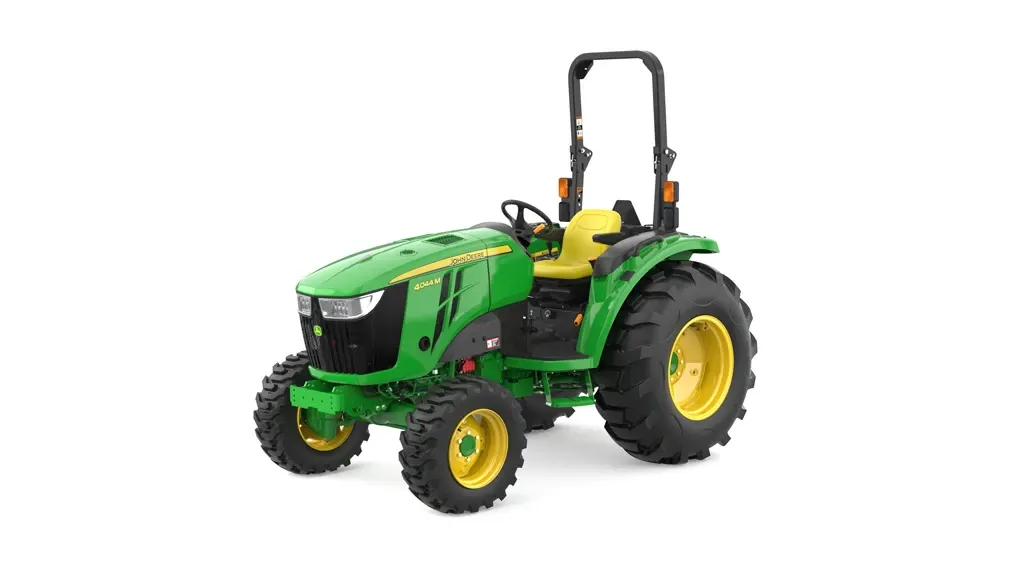
Pick 3
John Deere 4044M
Compact
Step-up when heavier moldboards need more ballast and Category I stiffness.
Verified specifications for John Deere 4044M Engine horsepower 43.1 HP Operating weight 3,770 lbs Rear hitch lift @ 24″ 2,500 lbs @ 24″
Rear blades are hitch-and-lift tools
Most grading blades hang on the three-point without a driveline. Fit focuses on hitch overlap, shipping weight, and lift headroom. Traction still depends on ballast and tires, but paper compatibility starts at the hitch.
Width and Limited Category I
Wider moldboards increase leverage on the lower links. If your tractor is Limited Category I, the blade sheet must allow it — full Category I alone is not a free pass on sub-compacts.
How Fit treats non-PTO blades
When the implement has no PTO requirement, we skip shaft checks and still evaluate hitch, lift, and sub-compact geometry. Partial appears only when those Facts are missing.
Next steps
Check your tractor against a rear-blade class in Fit. Confirm OEM manuals, then read hitch category and driveway grading guides for technique — not as a substitute for fit.
What usually fails on rear blades
Lift and hitch class fail before anything else. Utility-width blades want more mass than many sub-compacts can safely carry. Angle and offset kits do not raise tractor ratings — they only change how you scrape.
Partial honesty
If hitch is not yet verified on our overlay, Fit stays Partial. Confirm category on the OEM sheet for your serial year, then re-check. We mark gaps instead of inventing hitch classes.
FAQ
- Is a box blade the same as a rear blade?
- No. Box blades have sides and often scarifiers; rear blades are open moldboards. Use the matching implement type in Fit.
- Do hydraulic angle kits change category?
- They add weight and hoses, not hitch class. Re-check lift if the kit is heavy.
- Can I reverse-blade on a sub-compact?
- Only if hitch, lift, and ballast allow safe control. Fit proves structure; technique and soft ground still matter.
- Why no PTO check?
- Standard rear blades are non-PTO. If your sheet lists a powered option, pick that implement entry instead.
- Is a rear blade the same as a box blade?
- No. A rear blade is usually a single moldboard scraper; a box blade has sides and scarifiers. Both are lift-first tools — screen each sheet separately in Fit.