Best Tractor for Mowing Pasture and Rough Grass
By Roy Messiah · Last updated: 19 July 2026
Top pick tractors in this guide
The bottom line
Pasture mowing splits into finish cutting and rough-field work. Finish mowing on maintained grass favors sub-compact or compact with a mower deck. Overgrown pasture, ditches, and brushy edges need a rotary cutter and enough PTO and frame weight — usually compact or utility class. Match the tool to the grass, not just acreage.
Numeric specs in pick tables come from manufacturer pages in our verified database — not from AI-generated text.
Top picks
- KubotaL4701
Pick 1
Kubota L4701
Compact
Strong compact choice when pasture work includes heavier cutting and more frame mass than base compacts — verify PTO and hitch against your cutter width.
Verified specifications for Kubota L4701 Engine horsepower 47.3 HP Operating weight 3,300 lbs Rear hitch lift @ 24″ 2,320 lbs @ 24″ 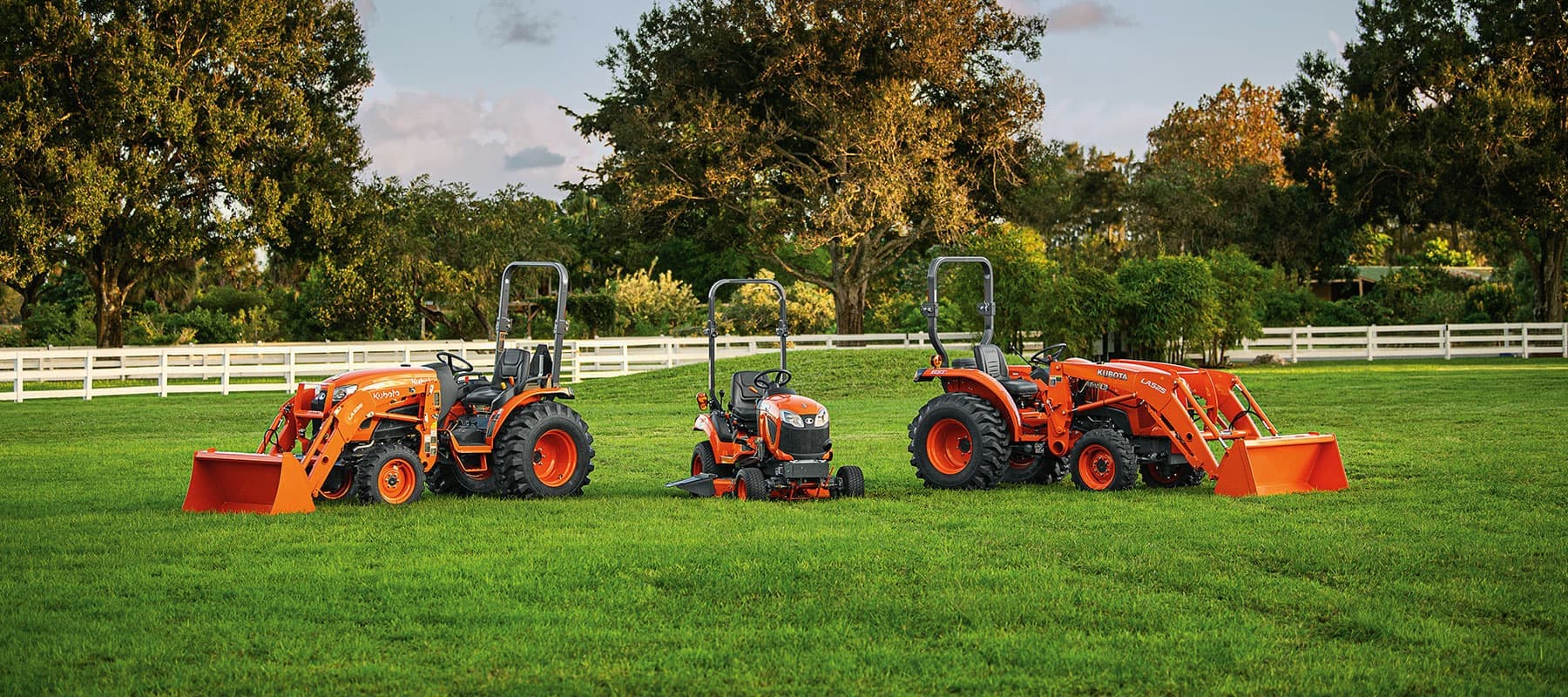
Pick 2
Kubota L2501
Compact
Default compact for maintained pasture and mixed mowing when terrain is manageable and cutter sizes stay in the moderate range.
Verified specifications for Kubota L2501 Engine horsepower 24.8 HP Operating weight 2,623 lbs Rear hitch lift @ 24″ 1,389 lbs @ 24″ 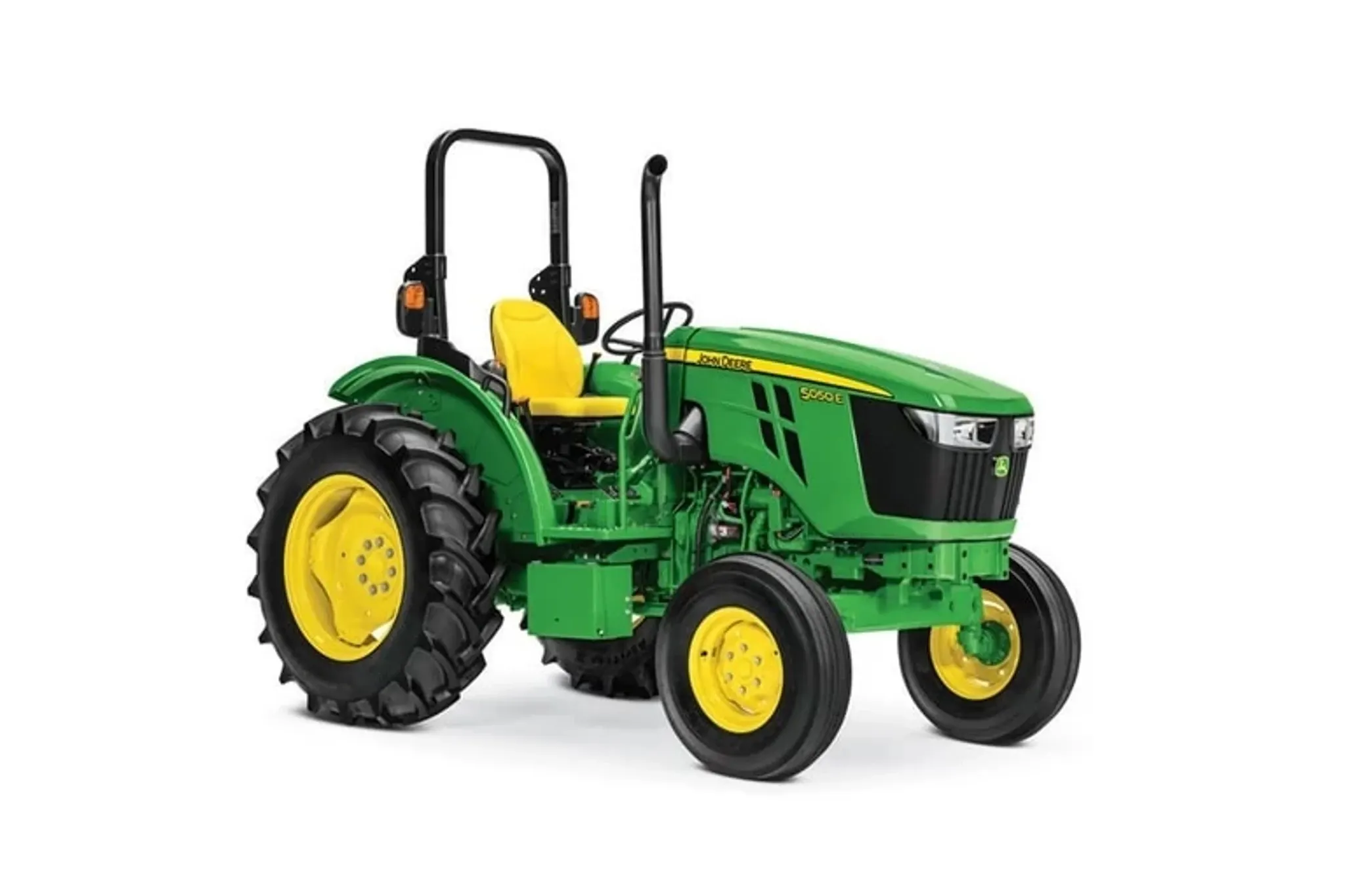
Pick 3
John Deere 5055E
Utility
Utility-class example for larger pastures, heavier rotary cutters, and owners who mow rough fields regularly — more stability and PTO headroom than compact frames.
Verified specifications for John Deere 5055E Engine horsepower 55 HP Operating weight 4,652 lbs Rear hitch lift @ 24″ 3,192 lbs @ 24″
How size classes compare
Tractor size classes (typical range)
Sub-Compact
1–5 acres
Loader and mower
Compact
5–20 acres
Bush hog and tiller
Utility
15+ acres
Hay and heavy implements
Illustrative: match class to property size and implement load, not horsepower alone.
Finish mowing vs. rough cutting
Finish mowers and mid-mount decks handle turf and maintained pasture lanes on sub-compacts that offer mid PTO. Standard L-series compacts like the L2501 have no mid-mount option — pair them with a rear finish mower instead. Rotary cutters handle tall grass, weeds, and rough edges. Many pasture owners need both — size the tractor for the heavier tool.
Acreage alone does not pick the class
Five acres of smooth pasture differs from five acres of rolling native grass cut twice a year. Infrequent cutting means heavier material — plan PTO margin accordingly. See our bush hog horsepower guide for rotary cutter sizing.
Terrain and turning
Slopes demand weight and stability more than flat hay fields. Test turning radius against fence lines and gate posts before you buy a larger cutter or frame you cannot maneuver.
Finish mower vs rotary cutter
Pasture often needs a rotary cutter for rough grass; finish mowers are turf. Match the tool type first, then Fit hitch/PTO/lift for that class.
Width vs tractor class
Wider decks raise PTO and lift demand. Sub-compacts often clear narrower cutters only — the Fit results below the marketing brochure.
FAQ
- Can I mow pasture with a zero-turn?
- Zero-turn mowers excel on open maintained turf. They are poor substitutes for rough pasture edges, brush, and implement flexibility that tractors provide.
- How often should pasture be cut?
- Managed pasture may be cut multiple times per season; rough fields may be once or twice. Less frequent cutting usually means heavier loads when you do mow.
- Do I need a finish mower and a rotary cutter?
- Many acreage owners run a finish mower for lanes and lawn areas plus a rotary cutter for fields and edges. Budget and store both when comparing tractors.
- Is batwing mowing realistic on compact?
- Usually no. Batwings want utility-class power and mass; screen the OEM sheet honestly.