Compact vs. Utility Tractor: Which Do You Need?
By Roy Messiah · Last updated: 19 July 2026
Top pick tractors in this guide
The bottom line
Choose compact when your regular work is property maintenance, light hay support, loader chores, and moderate implements on small acreage. Choose utility when you routinely run heavier cutters, handle large bales, need more hydraulic capacity, or work long hours in demanding fields. Most independent operators on under twenty acres stay compact until tasks prove otherwise.
Numeric specs in pick tables come from manufacturer pages in our verified database — not from AI-generated text.
Top picks
Pick 1
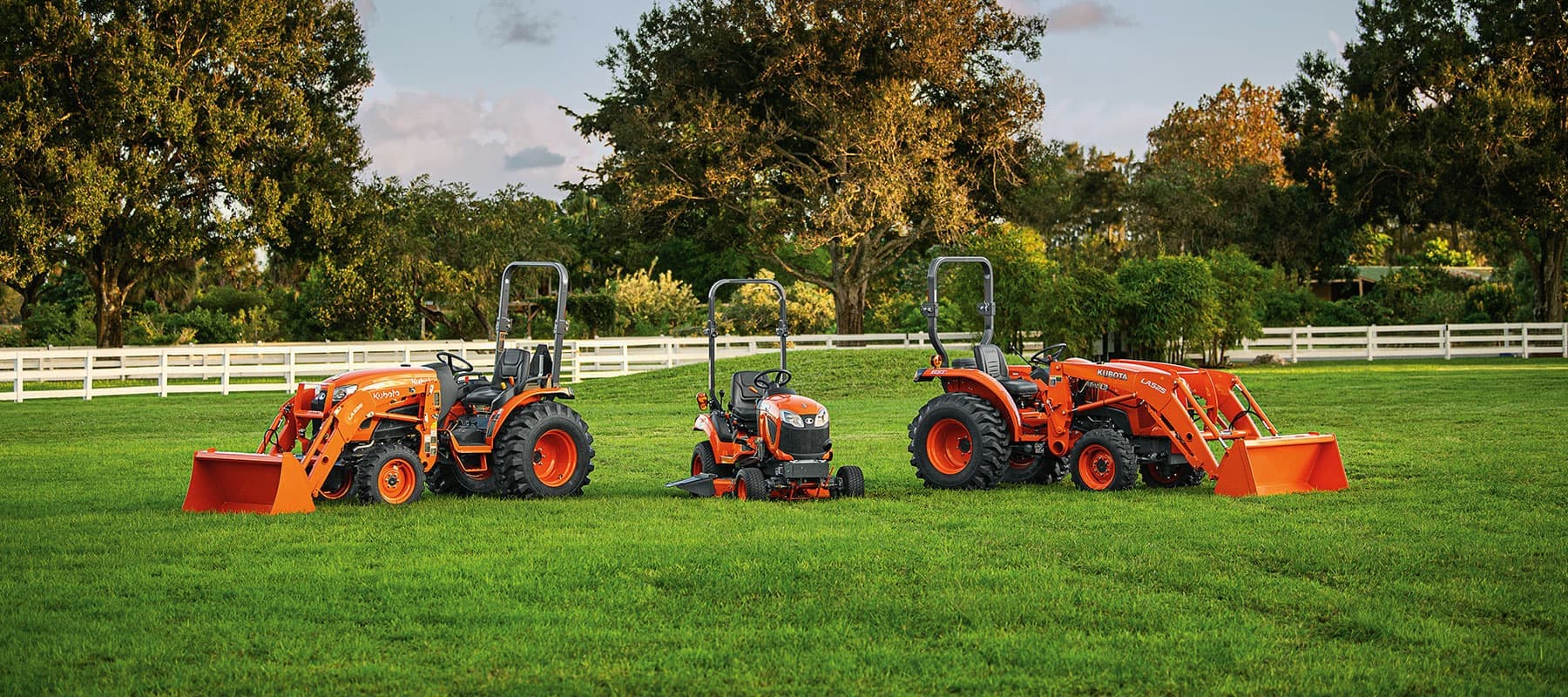
Kubota L2501
Compact
Representative compact — the default class for mixed acreage work before utility size, cost, and storage become justified.
Verified specifications for Kubota L2501 Engine horsepower 24.8 HP Operating weight 2,623 lbs Rear hitch lift @ 24″ 1,389 lbs @ 24″ 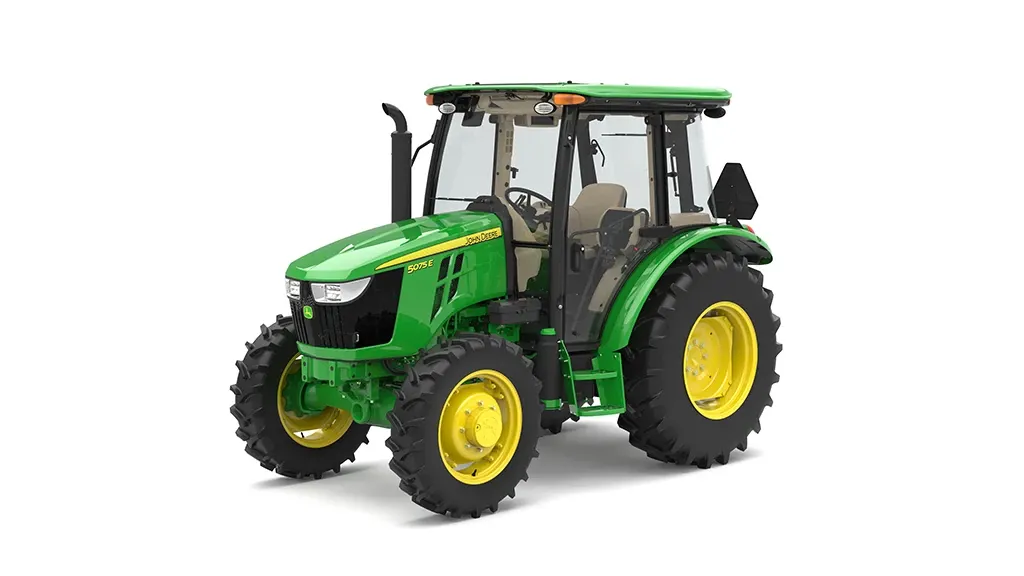
Pick 2
John Deere 5075E
Utility
Representative utility tractor for heavier implements, larger rotary cutters, and small-farm chores that outgrow compact hitch and weight limits.
Verified specifications for John Deere 5075E Engine horsepower 71 HP Operating weight 5,445 lbs Rear hitch lift @ 24″ 3,192 lbs @ 24″
How size classes compare
Tractor size classes (typical range)
Sub-Compact
1–5 acres
Loader and mower
Compact
5–20 acres
Bush hog and tiller
Utility
15+ acres
Hay and heavy implements
Illustrative: match class to property size and implement load, not horsepower alone.
Size class in plain English
Compact tractors cover most sub-twenty-acre mixed chores — mowing, loaders, tillage, and light hay support. Utility tractors add frame mass, hydraulic flow, and hitch capacity for heavier daily farm cycles and larger implements.
When compact wins
Tighter storage, smaller gates, turf-sensitive areas, and implement lists dominated by mowers, blades, tillers, and light loaders. Compacts are easier to maneuver around buildings and cost less to own.
When utility wins
Regular brush cutting with wide rotary cutters, handling round bales, daily loader cycles with heavy loads, and implements that exceed compact PTO or rear hitch charts. Utility class is justified by weekly workload — not badge prestige.
Compare specs, not slogans
Use OEM sheets for engine horsepower, operating weight, rear hitch lift, and PTO ratings. Our profile pages render verified Facts from manufacturer data — use them side by side before you visit the dealer.
Let Fit pick the class
Compact vs utility is not a lifestyle brand. Open your heaviest implement in Fit against a compact candidate. If hitch/PTO/lift fail, utility (or a narrower tool) is the honest answer.
What utility buys you on paper
More frame mass, often more lift, and room for heavier Category I or Category II sheets. It does not invent PTO — still read the shaft Fact. Compare a compact peer and a utility peer only after both clear your tools.
FAQ
- Is utility too big for ten acres?
- Often yes for light ten-acre chores — but ten acres of rough pasture, hay, and loader work can justify utility. Task weight matters more than acreage.
- Can I start compact and upgrade later?
- Yes, but attachments and familiarity create switching costs. Right-size if you already know heavy implements are coming in year one.
- Does utility always mean cab and 4WD?
- No — configuration varies by model and region. Specify drivetrain, cab, and transmission after you size class and hitch requirements.
- Is Category II always utility?
- Cat II geometry is common on larger machines, but class names vary by maker. Match the implement’s hitch list to the tractor OEM sheet — adapters do not add lift.