Tractor Loader Package Buying Guide
By Roy Messiah · Last updated: 19 July 2026
Top pick tractors in this guide
The bottom line
Loader packages bundle tractor, loader, and sometimes mower — compare total price against separate lines, but verify loader model compatibility, lift at the bucket pin, and ballast setup on the OEM sheet. A cheap package with undersized loader or missing ballast costs more in frustration than a correctly specced factory bundle.
Numeric specs in pick tables come from manufacturer pages in our verified database — not from AI-generated text.
Top picks
Pick 1
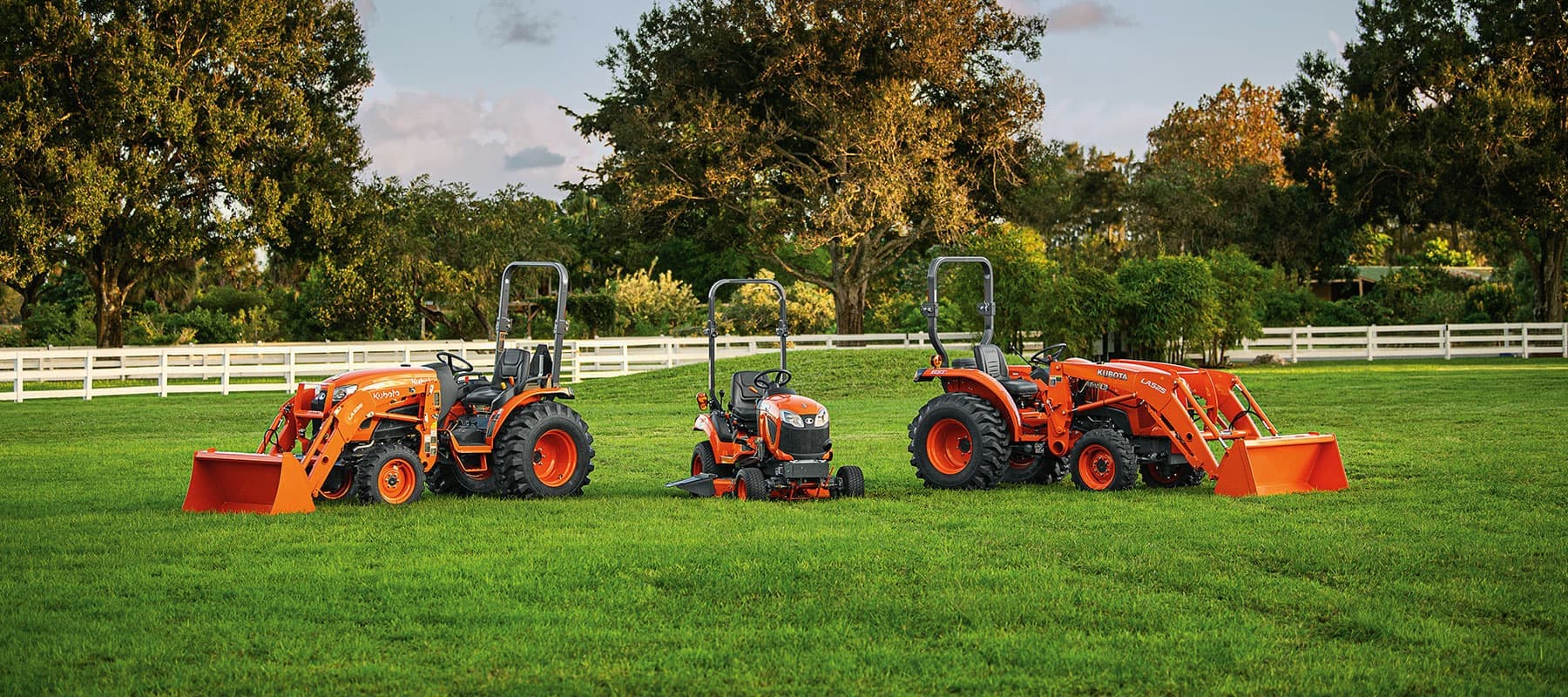
Kubota L2501
Compact
Common compact loader package reference — baseline for comparing Kubota LA-series pairing and ballast recommendations.
Verified specifications for Kubota L2501 Engine horsepower 24.8 HP Operating weight 2,623 lbs Rear hitch lift @ 24″ 1,389 lbs @ 24″ 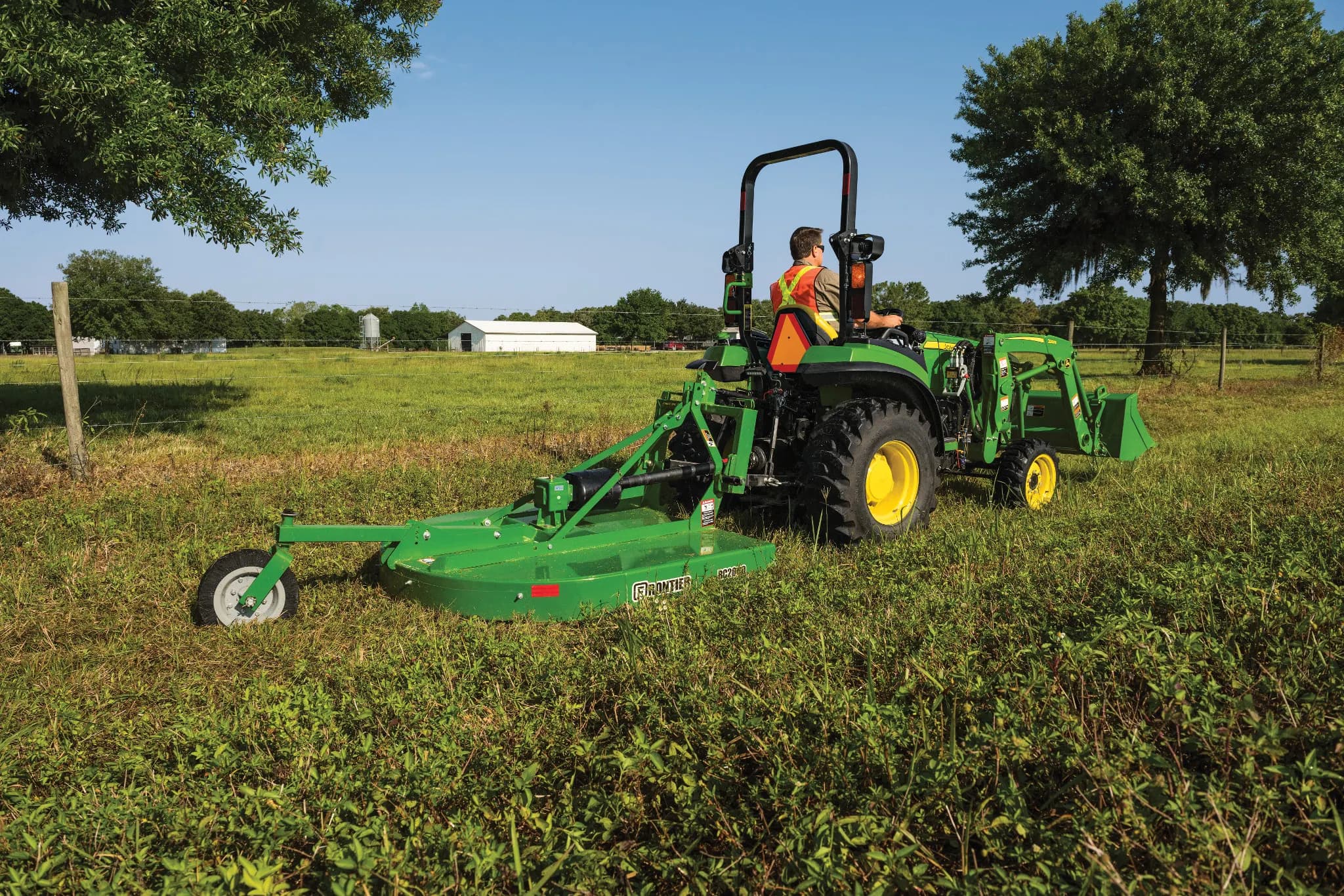
Pick 2
John Deere 2032R
Compact
Deere compact package benchmark — illustrative for loader model codes, harness integration, and dealer setup expectations.
Verified specifications for John Deere 2032R Engine horsepower 31.2 HP Operating weight 2,879 lbs Rear hitch lift @ 24″ 1,356 lbs @ 24″ 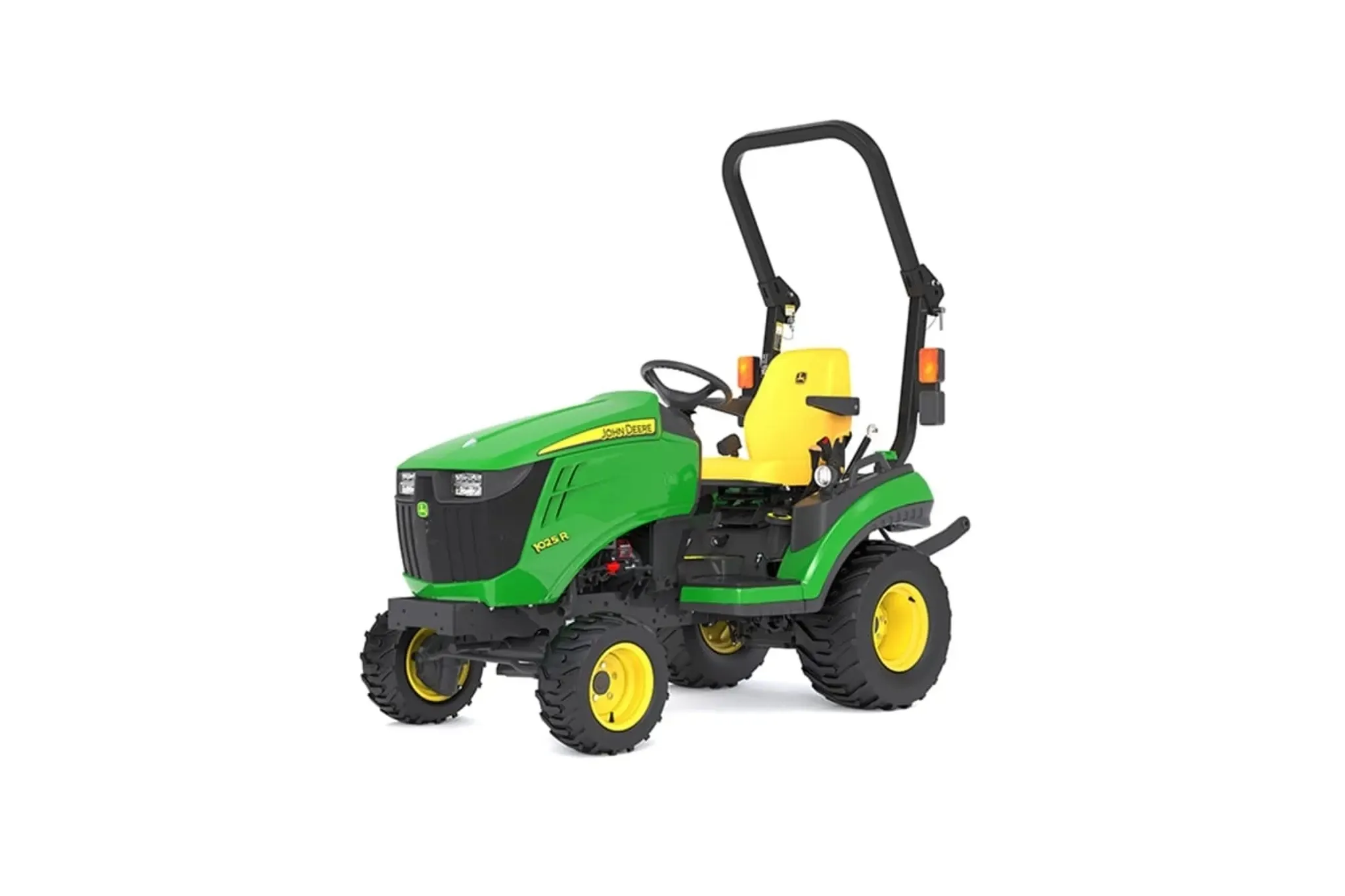
Pick 3
John Deere 1025R
Sub-Compact
Sub-compact package example showing loader availability on small frames where ballast and stability need extra dealer attention.
Verified specifications for John Deere 1025R Engine horsepower 23.9 HP Operating weight 1,556 lbs Rear hitch lift @ 24″ 758 lbs @ 24″
How size classes compare
Tractor size classes (typical range)
Sub-Compact
1–5 acres
Loader and mower
Compact
5–20 acres
Bush hog and tiller
Utility
15+ acres
Hay and heavy implements
Illustrative: match class to property size and implement load, not horsepower alone.
What packages include — and omit
Packages may cover loader, mounts, hoses, and mid-mount mower — rarely every bucket, grapple, or ballast weight you need. Line-item missing pieces before comparing brands. See our front-end loader guide for when a loader is worth buying at all.
Read loader charts separately
Loader lift at the bucket pin differs from rear hitch lift in our profile tables. Use the tractor OEM loader page for bucket capacity and height — not rear three-point numbers.
Ballast is not optional
Dealers should configure rear ballast or implement ballast when delivering loaders — especially on sub-compacts. Skipping ballast risks unsafe steering with raised loads.
What the package price usually hides
Loader packages often omit ballast, tire upgrades, third-function kits, and dealer freight. Ask for the rear lift Fact at 24 inches and whether the quoted horsepower is engine or PTO. A cheap package that fails Fit on your heaviest weekly implement is not a bargain.
Screen the tractor before you fall in love with the loader
List the heaviest rear implement you will run, then Fit-check hitch, PTO, and lift. Only then compare loader lift charts — front and rear ratings are not interchangeable. Use our methodology: never invent PTO; Partial means look it up.
FAQ
- Can I add a loader after purchase?
- Often if the frame is loader-ready. Factory packages sometimes integrate plumbing and pricing better — price both paths before deciding.
- Are third-party loaders OK?
- Sometimes — verify frame approval and resale impact. OEM loaders usually preserve warranty clarity and harness integration.
- Package financing vs. cash lines?
- Promotional financing can favor packages seasonally. Compare total cost with interest, not monthly payment alone.
- Should I buy the loader later?
- Sometimes — if the base tractor already clears your rear implements and budget is tight. Retrofit kits can cost more than a factory package; get both quotes in writing.