New vs. Used Tractor: Buying Guide
By Roy Messiah · Last updated: 19 July 2026
Top pick tractors in this guide
The bottom line
Buy new when warranty, known maintenance, and exact configuration matter more than upfront savings — typical for first-time buyers learning implements. Buy used when class fit is clear, hours are documented, and you can inspect drivetrain, hydraulics, and three-point hitch wear. Either path fails if you buy the wrong size class.
Numeric specs in pick tables come from manufacturer pages in our verified database — not from AI-generated text.
Top picks
Pick 1
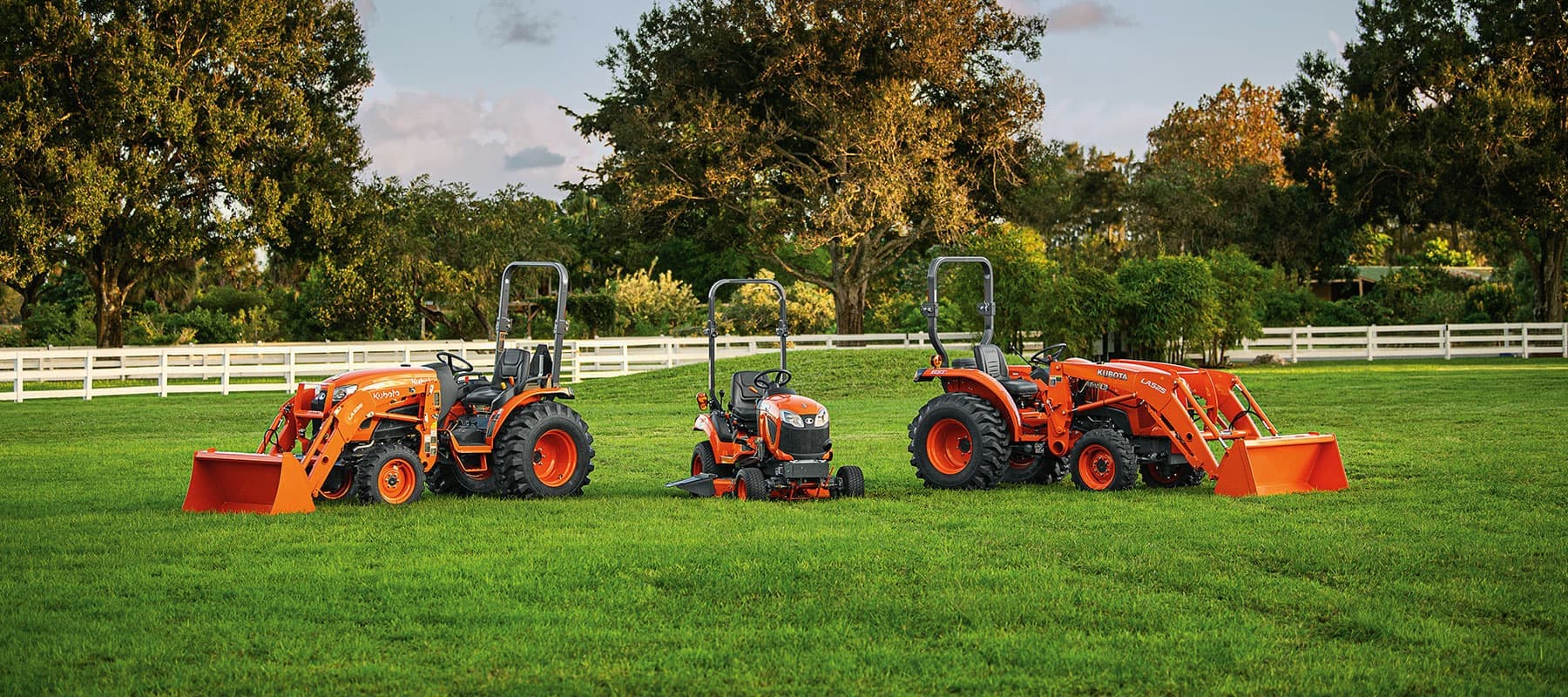
Kubota L2501
Compact
Popular compact with strong new and used markets — good reference model for comparing MSRP packages against regional used listings.
Verified specifications for Kubota L2501 Engine horsepower 24.8 HP Operating weight 2,623 lbs Rear hitch lift @ 24″ 1,389 lbs @ 24″ 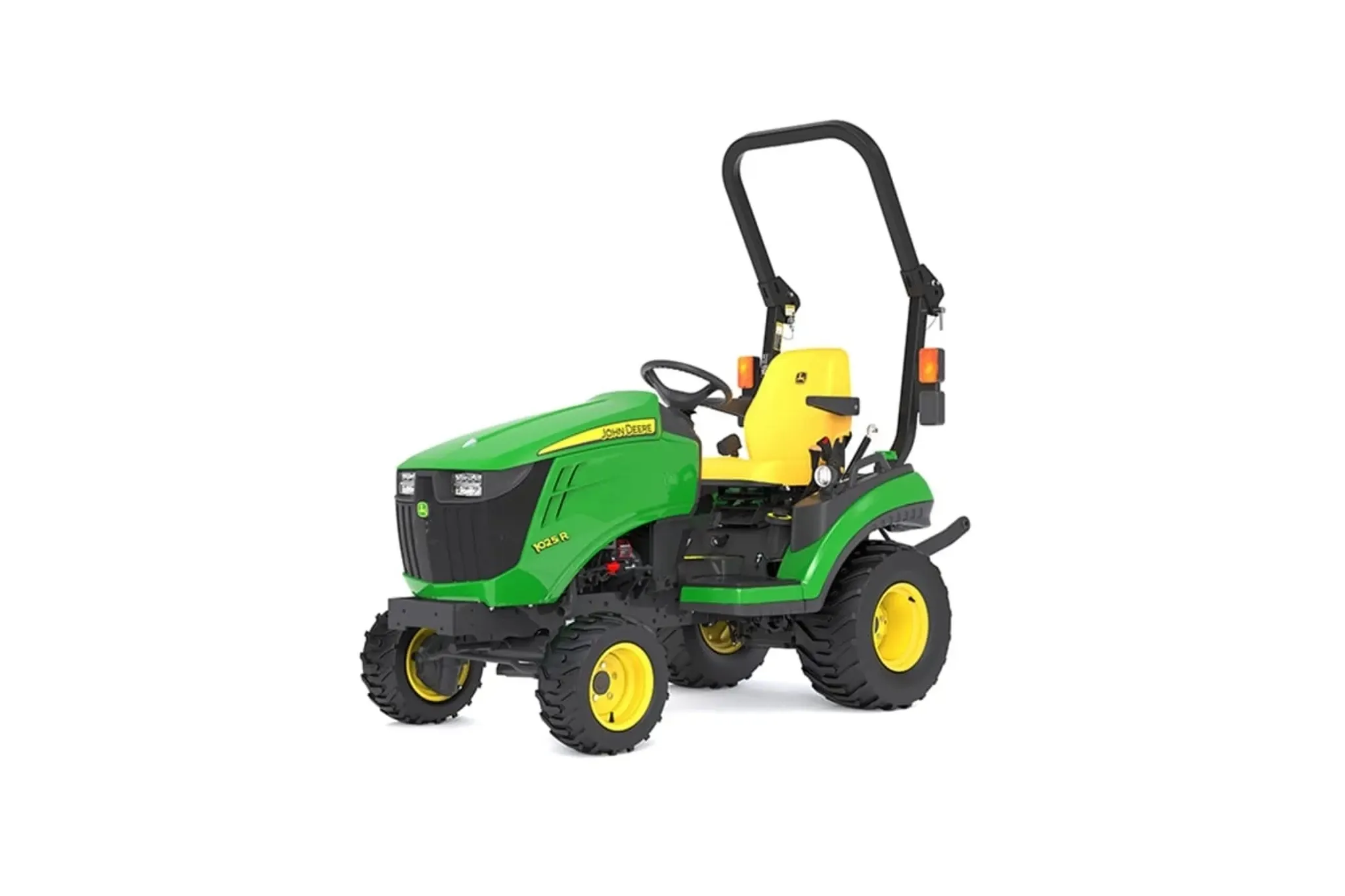
Pick 2
John Deere 1025R
Sub-Compact
High-volume sub-compact for studying used pricing and loader-ready configurations common on acreage properties.
Verified specifications for John Deere 1025R Engine horsepower 23.9 HP Operating weight 1,556 lbs Rear hitch lift @ 24″ 758 lbs @ 24″ 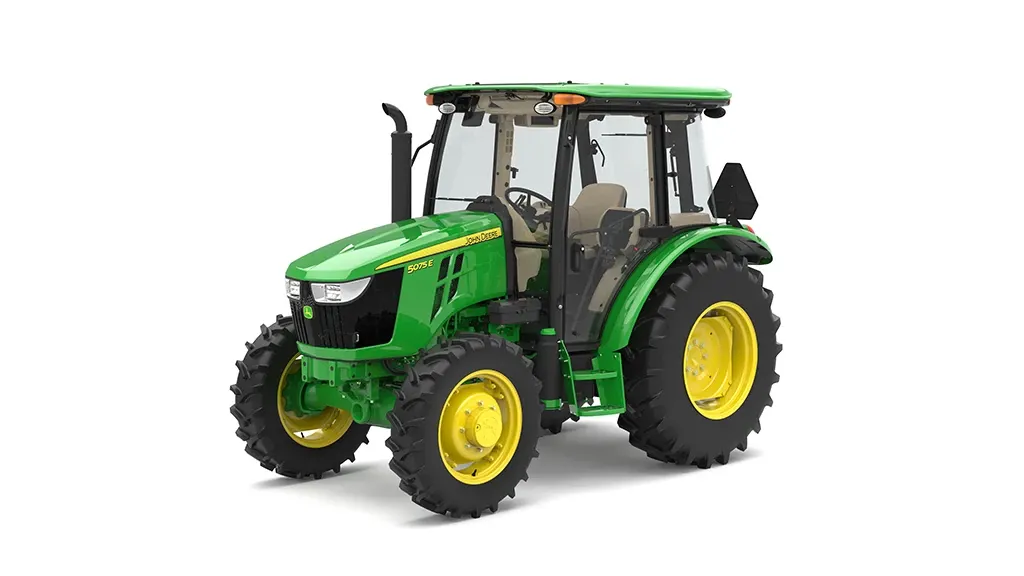
Pick 3
John Deere 5075E
Utility
Utility example where used hours and PTO wear matter more — illustrates inspection priorities on field-duty machines.
Verified specifications for John Deere 5075E Engine horsepower 71 HP Operating weight 5,445 lbs Rear hitch lift @ 24″ 3,192 lbs @ 24″
How size classes compare
Tractor size classes (typical range)
Sub-Compact
1–5 acres
Loader and mower
Compact
5–20 acres
Bush hog and tiller
Utility
15+ acres
Hay and heavy implements
Illustrative: match class to property size and implement load, not horsepower alone.
Size class before price type
A discounted utility tractor that is too large is still wrong for a five-acre landscaped lot. Lock class using chore lists and implement plans — our sub-compact vs. compact and small-acreage guides help — then shop new or used within that class.
What new buys beyond shine
Warranty, current emissions tier, and dealer setup including ballast and loader plumbing. Factory financing and package pricing can narrow the gap with used — run full quotes before assuming used always wins.
Used inspection priorities
Read hours skeptically with maintenance records. Check for hydraulic leaks, play in steering and three-point arms, PTO engagement noise, and loader frame cracks. Compare saved money against near-term tire, clutch, and hydraulic repair risk.
Used: verify the same Facts
Hours and rust matter, but hitch, PTO, and lift must still clear your implements. Bring Fit screenshots to the inspection and match the serial-year OEM sheet.
New: options packages change numbers
Optional lift kits and transmissions can change PTO Facts. Read the sheet for the exact build you are quoting — Partial overlays mean look it up.
FAQ
- How many hours is too many on a compact?
- Depends on maintenance culture and task severity. Well-maintained compacts with moderate hours often serve acreage owners; abused loaders and neglected PTO clutches fail regardless of odometer reading.
- Is dealer certified used worth it?
- Sometimes — you buy inspection and short warranty. Compare certified pricing to independent used plus a pre-purchase inspection by a mechanic you trust.
- Should first-time buyers buy used?
- They can with help sizing class and inspecting machines. New reduces surprise repair bills while learning implements — neither is wrong if class fit is correct.
- What hours are too many?
- Depends on maintenance, not a universal Fact. Prefer service records and a compression/PTO check over a round number myth.