Hydrostatic vs. Gear Drive Tractor: Which Is Better?
By Roy Messiah · Last updated: 19 July 2026
Top pick tractors in this guide
The bottom line
Hydrostatic transmissions excel at loader work, frequent direction changes, and operators who want pedal simplicity. Gear and shuttle transmissions suit field PTO hours, heavy ground engagement, and buyers comfortable with clutch operation. Neither is universally better — match transmission to your dominant tasks and experience.
Numeric specs in pick tables come from manufacturer pages in our verified database — not from AI-generated text.
Top picks

Pick 1
Kioti CS2530H
Sub-Compact
HST sub-compact example for landscaped properties with loader and mower chores — representative of hydrostatic strengths in tight work.
Verified specifications for Kioti CS2530H Engine horsepower 24.5 HP Operating weight 1,735 lbs Rear hitch lift @ 24″ 700 lbs @ 24″ 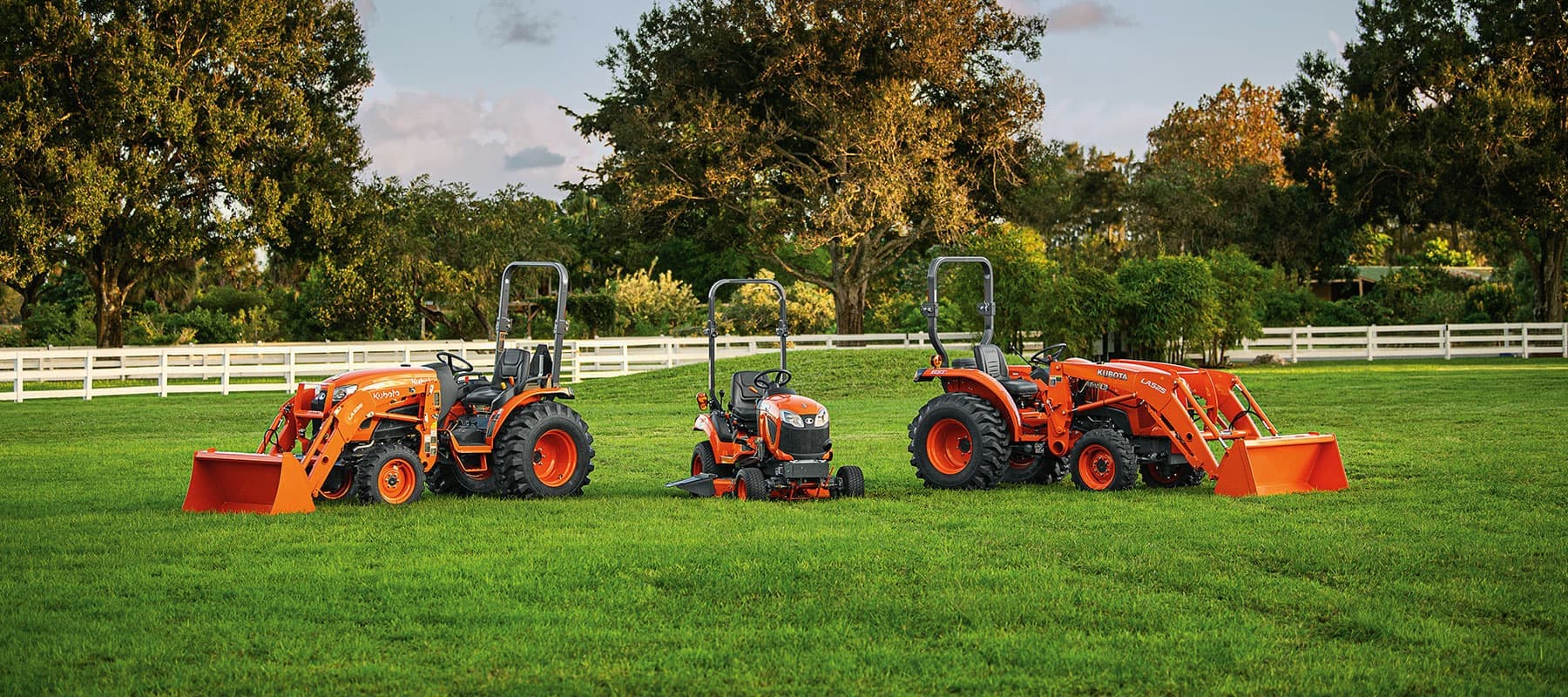
Pick 2
Kubota L2501
Compact
Gear-drive compact reference common on mixed acreage — illustrates traditional transmission feel with real hitch and PTO utility.
Verified specifications for Kubota L2501 Engine horsepower 24.8 HP Operating weight 2,623 lbs Rear hitch lift @ 24″ 1,389 lbs @ 24″ 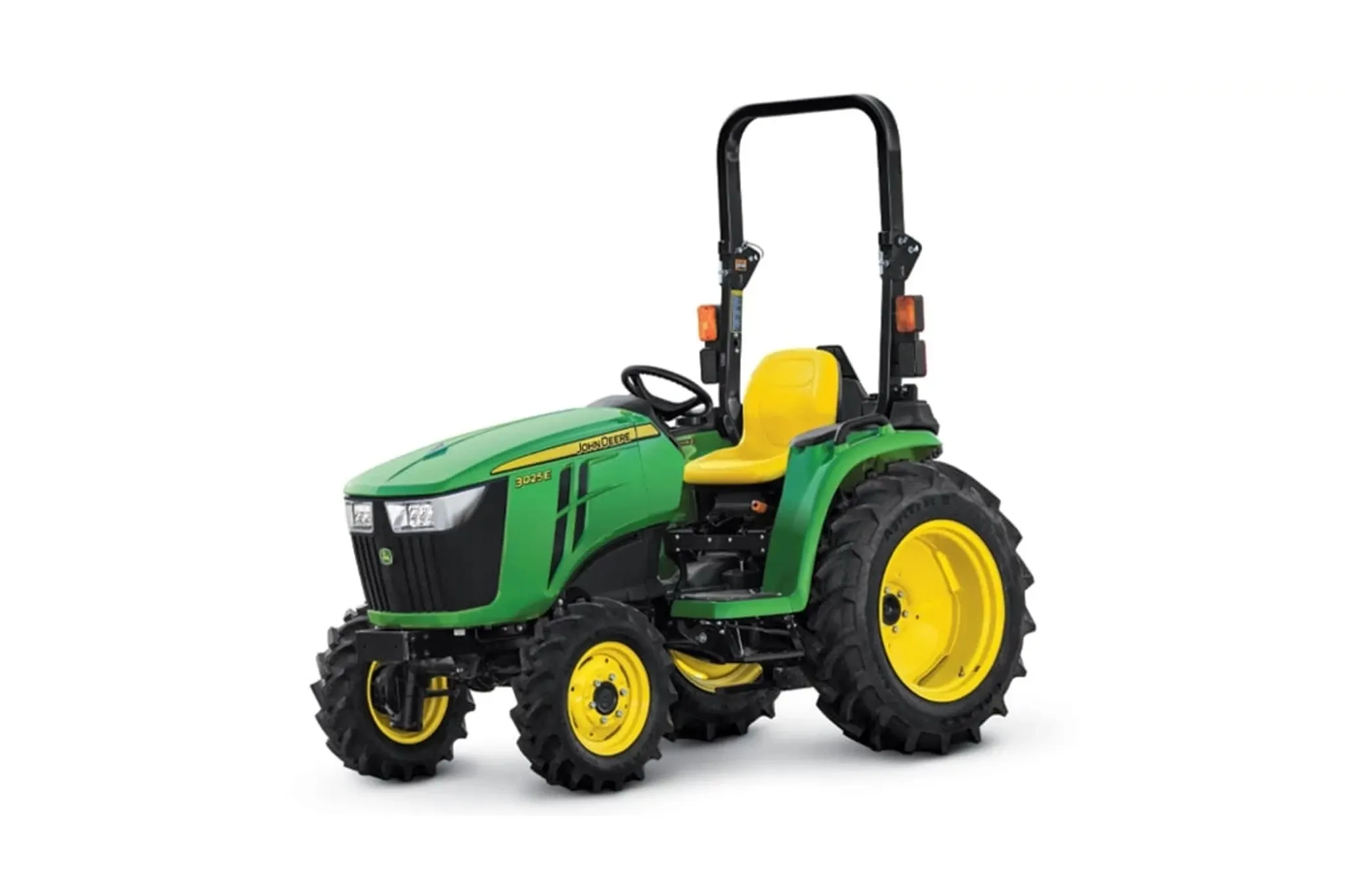
Pick 3
John Deere 3025E
Compact
Value compact often chosen for straightforward gear operation and field-style PTO work on budget-conscious small farms.
Verified specifications for John Deere 3025E Engine horsepower 24.72 HP Operating weight 2,222 lbs Rear hitch lift @ 24″ 1,356 lbs @ 24″
How size classes compare
Tractor size classes (typical range)
Sub-Compact
1–5 acres
Loader and mower
Compact
5–20 acres
Bush hog and tiller
Utility
15+ acres
Hay and heavy implements
Illustrative: match class to property size and implement load, not horsepower alone.
How hydrostatic feels in daily use
HST tractors use pedals or levers for forward and reverse without clutching — ideal for loader cycles, mowing around obstacles, and new operators. Long high-load PTO sessions may feel less efficient than gear drives depending on model and cooling — verify on test drive if field hours dominate.
When gear drive still wins
Gear and shuttle transmissions offer mechanical simplicity and familiar control for PTO implements that pull steady loads — tillage, some mowers, and road transport. Buyers with prior gear tractor experience often prefer them for predictability.
Maintenance and resale context
Transmission type affects fluid service intervals and repair culture at local dealers. Neither type removes the need to match PTO and hitch ratings to implements — see our implement-matching guide for pairing rules.
Chore pattern picks the transmission
Hydrostatic shines for loader and mowing shuttle work. Gear/sync shuttle can be efficient for long fieldwork. Transmission choice does not invent PTO HP — still Fit implements.
Service and resale are local Claims
Dealer familiarity and used demand vary. Settle hitch/PTO/lift Facts first, then weigh hydro vs gear with operators who run your chore mix.
FAQ
- Is HST bad for bush hogging?
- Not inherently — many HST compacts run rotary cutters daily. Match PTO and cutter size correctly and manage heat on long thick cuts. Gear drives are not required for light to moderate brush work.
- Do beginners need HST?
- HST lowers clutch learning curve for loader and mowing. Beginners can learn gear drives too — choose based on tasks and training comfort, not stigma.
- Can I switch transmission type later?
- No — transmission is built into the tractor. Buy for ten-year chore mix, not a single demo afternoon.
- Is hydrostatic weaker for PTO work?
- Not inherently — PTO Fact is separate. Confirm shaft HP on the OEM sheet for each transmission option.