4WD vs. 2WD Tractor: Do You Need Four-Wheel Drive?
By Roy Messiah · Last updated: 19 July 2026
Top pick tractors in this guide
The bottom line
Choose four-wheel drive when hills, snow, wet ground, or loader work on soft soil are regular — not rare. Two-wheel drive saves upfront cost on flat, dry properties with light implements. Drive type does not replace adequate PTO or hitch capacity; it improves traction within the same ratings.
Numeric specs in pick tables come from manufacturer pages in our verified database — not from AI-generated text.
Top picks
Pick 1
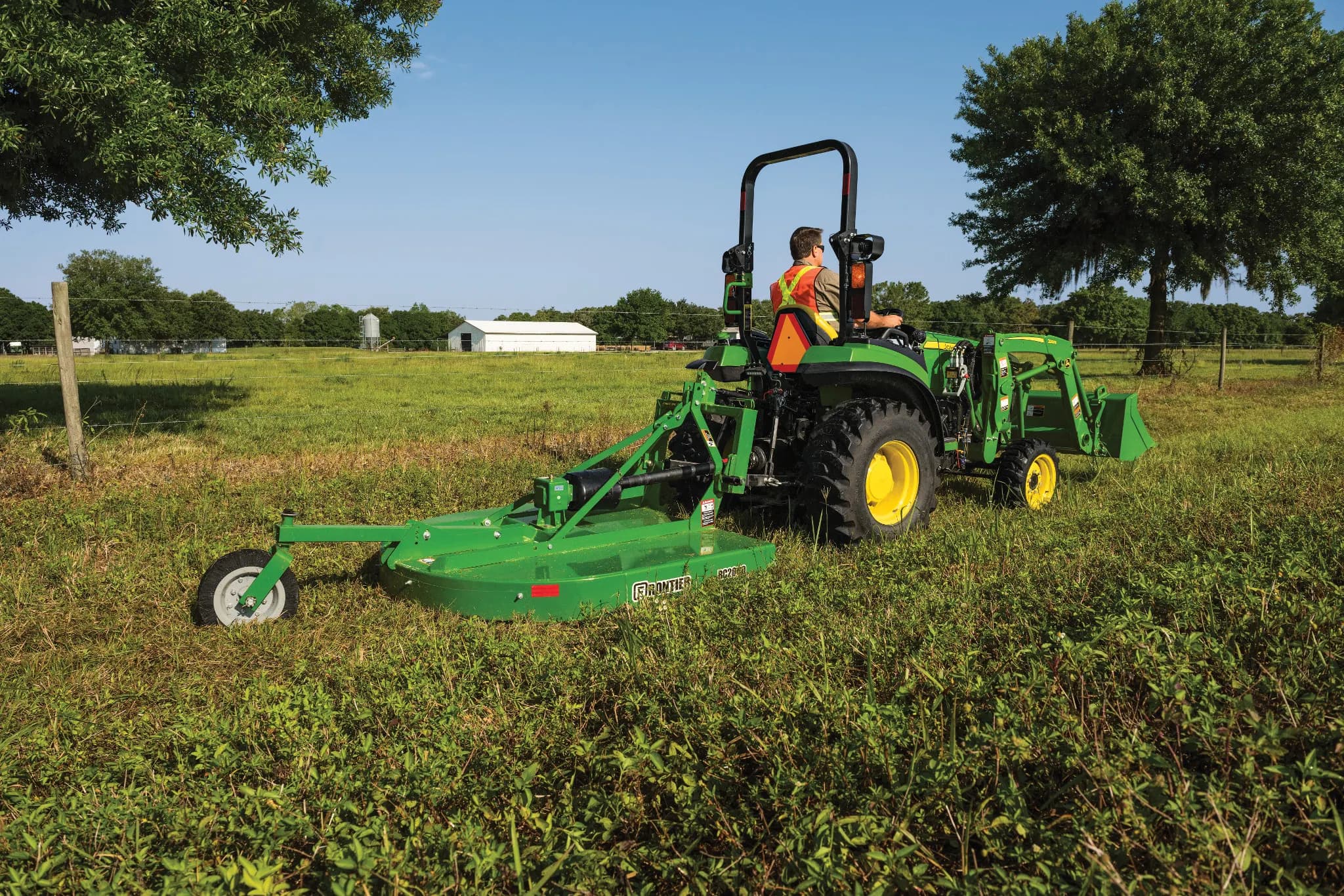
John Deere 2032R
Compact
Four-wheel-drive compact reference for mixed acreage where traction margin is worth the upgrade over two-wheel-drive siblings in the lineup.
Verified specifications for John Deere 2032R Engine horsepower 31.2 HP Operating weight 2,879 lbs Rear hitch lift @ 24″ 1,356 lbs @ 24″ 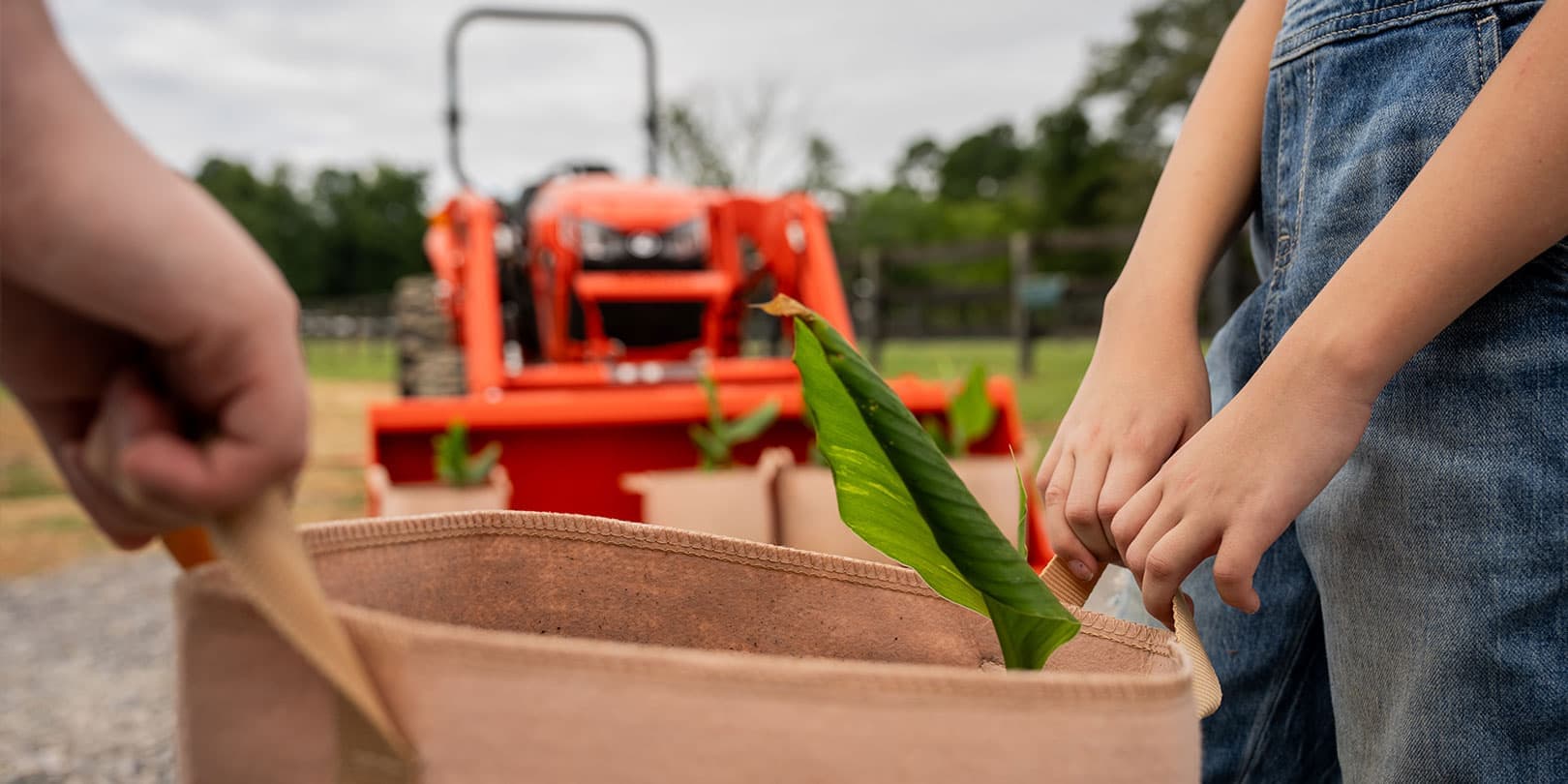
Pick 2
Kubota L3302
Compact
Compact example commonly ordered with four-wheel drive for loader, mowing, and lane work on variable ground.
Verified specifications for Kubota L3302 Engine horsepower 33 HP Operating weight 2,833 lbs Rear hitch lift @ 24″ 1,435 lbs @ 24″ 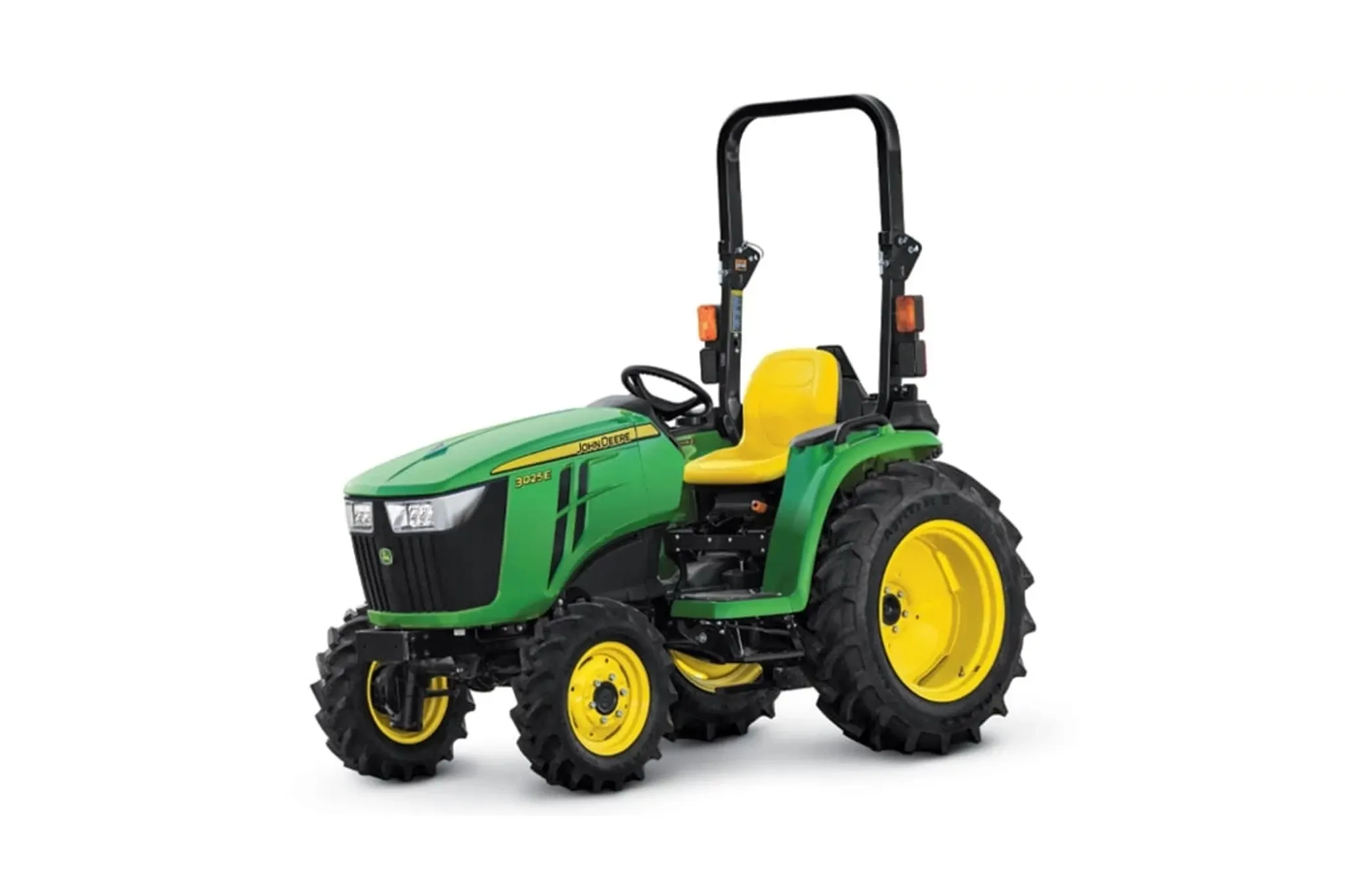
Pick 3
John Deere 3025E
Compact
Value compact often configured two-wheel drive on flat farms — useful baseline when comparing whether four-wheel drive is worth the premium in your terrain.
Verified specifications for John Deere 3025E Engine horsepower 24.72 HP Operating weight 2,222 lbs Rear hitch lift @ 24″ 1,356 lbs @ 24″
How size classes compare
Tractor size classes (typical range)
Sub-Compact
1–5 acres
Loader and mower
Compact
5–20 acres
Bush hog and tiller
Utility
15+ acres
Hay and heavy implements
Illustrative: match class to property size and implement load, not horsepower alone.
What four-wheel drive actually does
Four-wheel drive engages front assist for traction — helpful climbing, pushing snow, and working wet turf. It does not increase PTO power or rear hitch lift. Buyers sometimes overbuy four-wheel drive while undersizing hitch capacity; avoid that pairing mistake.
When two-wheel drive is rational
Flat landscaped properties with finish mowing and light chores on firm ground can run two-wheel drive with proper ballast and tires. Savings matter on budget builds if you are honest about terrain.
Tires and ballast still matter
Four-wheel drive with bald tires still slips. Pair drive type with appropriate agricultural or R-four tires and ballast for loader work — especially on sub-compact and compact frames.
When 4WD pays for itself
Mud, slopes, loader work, and snow reward mechanical front-wheel drive. Flat dry mowing often does not. 4WD does not raise PTO or hitch Facts — it changes traction Claims.
Still size implements the same way
Hitch, PTO, and lift screens in Fit do not change because you picked 4WD. Confirm those Facts first, then decide driveline for your terrain.
FAQ
- Is four-wheel drive required for snow?
- Strongly recommended on grades and long lanes; optional on flat short drives with weight and good tires. Most snow-country acreage owners choose four-wheel drive.
- Does four-wheel drive hurt turf?
- Front assist can scuff tight turns on delicate turf. Proper tire choice and turning technique reduce damage — not every four-wheel-drive pass equals aggressive skid steering.
- Can I add four-wheel drive later?
- No — drive configuration is factory. Decide from your worst regular conditions, not best-case summer grass.
- Can I add 4WD later?
- Usually no as a DIY upgrade. Buy the driveline you need; treat aftermarket claims with skepticism.