First-Time Tractor Buyer Guide
By Roy Messiah · Last updated: 19 July 2026
Top pick tractors in this guide
The bottom line
First-time buyers should start with property tasks and implement list, not brand loyalty. Most independent operators land in sub-compact or compact class, buy too much iron or too little hitch capacity, and underestimate attachments. Use verified specs and honest task lists — then test fit at the dealer.
Numeric specs in pick tables come from manufacturer pages in our verified database — not from AI-generated text.
Top picks
Pick 1
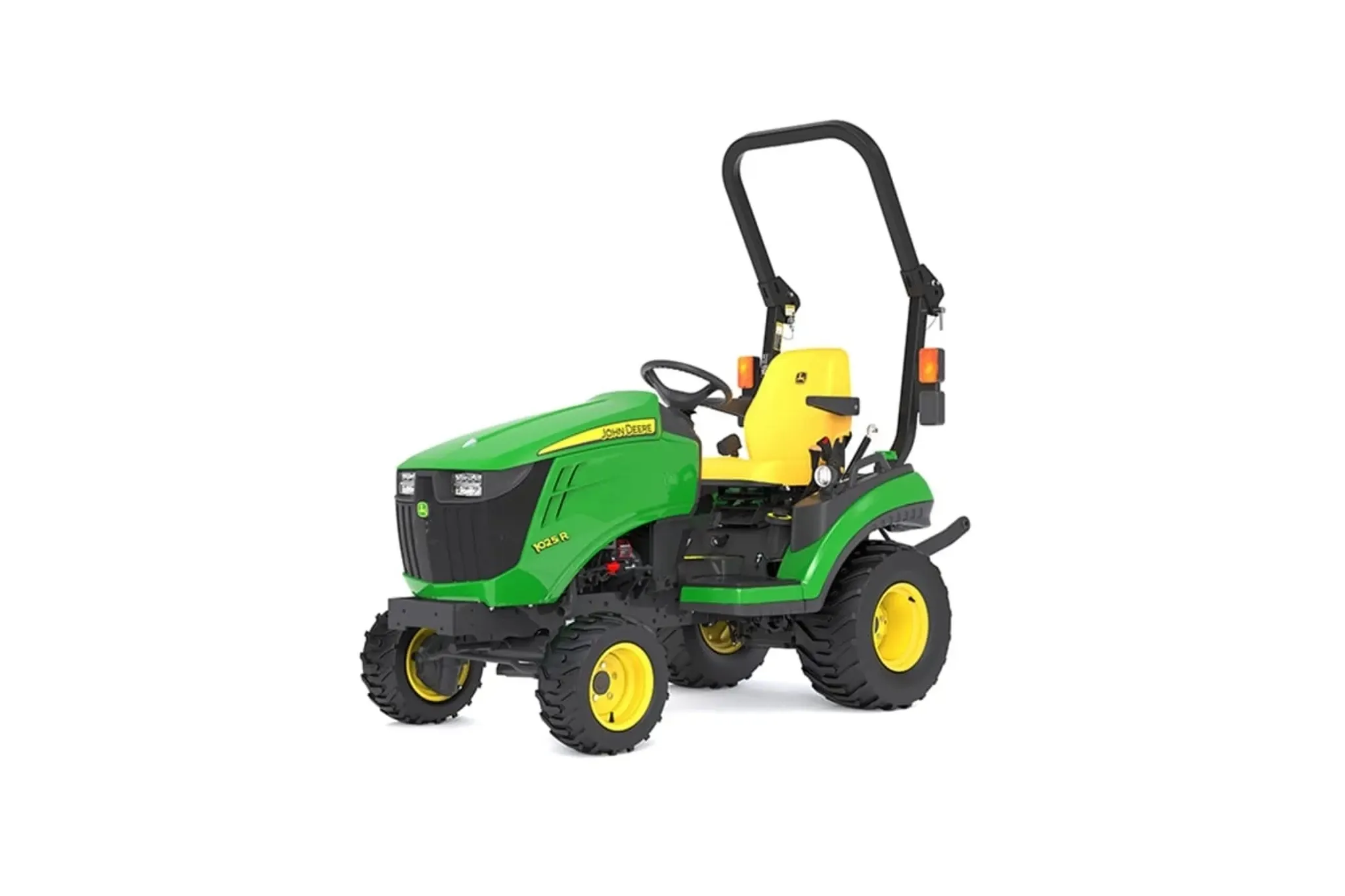
John Deere 1025R
Sub-Compact
Common first-machine choice when property size and chores fit sub-compact — strong dealer education resources and a wide attachment ecosystem for learning three-point hitch work.
Verified specifications for John Deere 1025R Engine horsepower 23.9 HP Operating weight 1,556 lbs Rear hitch lift @ 24″ 758 lbs @ 24″ 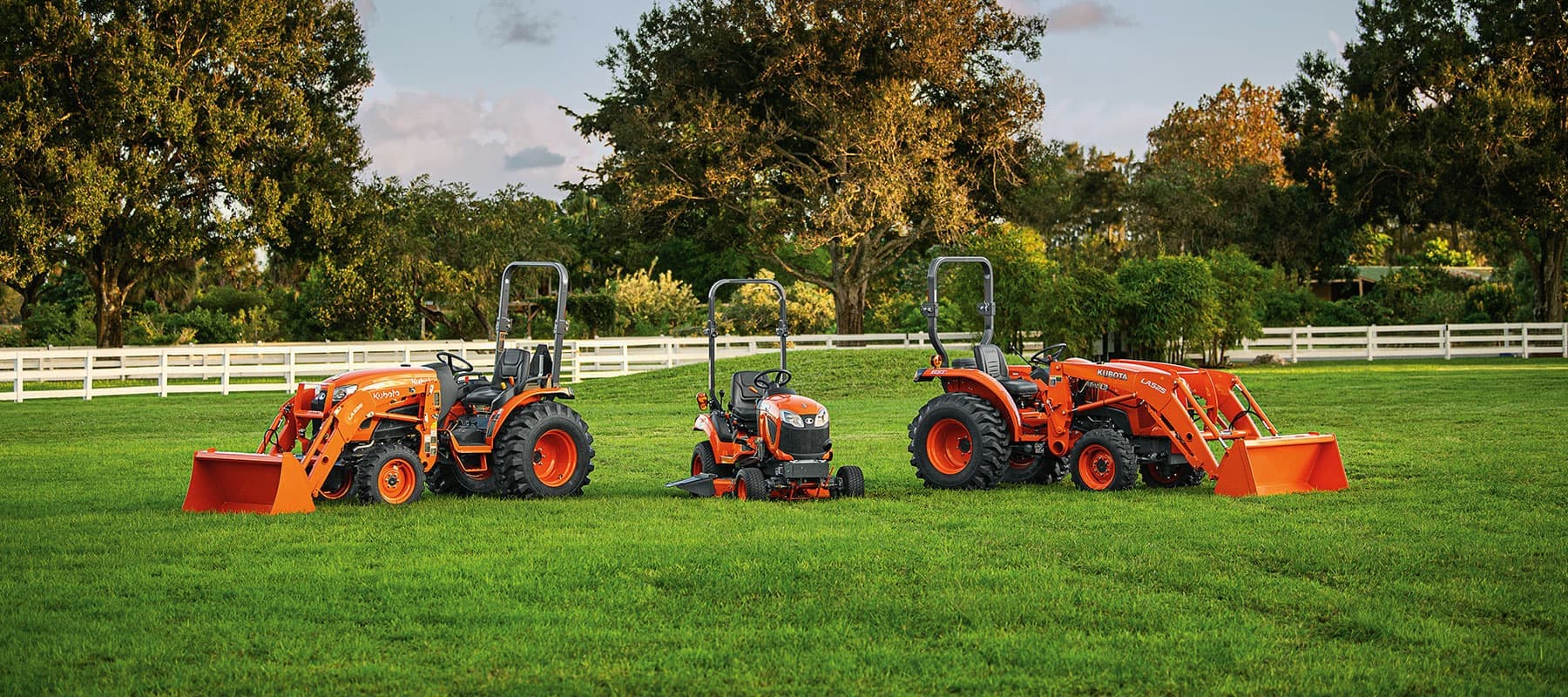
Pick 2
Kubota L2501
Compact
Popular first compact when buyers know they will run a loader and heavier implements beyond mowing — simple controls and a large owner community for troubleshooting.
Verified specifications for Kubota L2501 Engine horsepower 24.8 HP Operating weight 2,623 lbs Rear hitch lift @ 24″ 1,389 lbs @ 24″ 
Pick 3
Kioti CK2620
Compact
Value-oriented first tractor for buyers who want compact capability with competitive rear hitch ratings — verify local dealer support before you commit.
Verified specifications for Kioti CK2620 Engine horsepower 24.5 HP Operating weight 2,634 lbs Rear hitch lift @ 24″ 1,631 lbs @ 24″
How size classes compare
Tractor size classes (typical range)
Sub-Compact
1–5 acres
Loader and mower
Compact
5–20 acres
Bush hog and tiller
Utility
15+ acres
Hay and heavy implements
Illustrative: match class to property size and implement load, not horsepower alone.
Start with chores, not horsepower
Write down what you will do monthly: mow, grade, snow, till, move mulch, cut brush. That list determines size class and attachments faster than any brochure. Horsepower follows tasks — our spec tables show engine size from OEM data; your job is to match class and hitch.
Understand PTO and hitch basics
Rear PTO spins implements. Three-point hitch lifts and carries them. Loader lift is separate from rear hitch lift — dealers sometimes blur the two. Read implement manuals for PTO requirements and compare to the tractor OEM sheet, not guesswork.
Dealer questions to ask
Ask about service turnaround, attachment stock, delivery and setup, and warranty on drivetrain and emissions components. A slightly cheaper tractor with poor parts availability is expensive in year two.
New vs. used for first-time buyers
New machines offer warranty and known history. Used can work if you bring a knowledgeable friend or mechanic and verify hours, leaks, and hitch play. Wrong size class is wrong whether new or used — size the job first.
Your first checklist is Fit, not horsepower
List the three tools you will run in the first year. Screen hitch, PTO, and lift in the Attachment Fit checker. Buy the tractor that clears those sheets. Horsepower marketing comes after.
Read Partial as homework
Partial usually means a missing Fact — often PTO. Look it up on the OEM page for your serial year and transmission, then re-check. That habit protects first-time buyers more than any brochure.
Compare only after both clear
Once two peers pass your implements on paper, open a Compare page for lift, weight, and verified PTO. Then talk to the dealer about packages — not the other way around.
FAQ
- How much should I budget for attachments?
- Many first-time buyers spend as much on mower, loader, and blades as on the tractor itself. Plan packages before you negotiate — a tractor without the tools you need is incomplete.
- Do I need a tractor license?
- Regulations vary by region and road use. Most private property operation does not require a commercial license, but towing on public roads may. Check local rules before you buy.
- Should I finance through the dealer?
- Dealer financing is common on new equipment. Compare terms against other lenders and understand that monthly payment is not a substitute for matching machine capability to your work.
- Should my first tractor be used?
- Used can work if hitch, PTO, and lift still clear your tools and service records exist. Bring Fit screenshots to the inspection and match the serial-year OEM sheet.