Does a Box Blade Fit My Tractor?
By Roy Messiah · Last updated: 8 October 2026
Top pick tractors in this guide
The bottom line
A box blade fits when hitch category and rear lift clear the scraper sheet with headroom — PTO is usually not required. Sub-compacts often fail on Limited hitch geometry or lift for wide, heavy boxes. Run the Attachment Fit checker with a class-estimate blade, then confirm OEM weight and hitch notes for your serial year.
Numeric specs in pick tables come from manufacturer pages in our verified database — not from AI-generated text.
Top picks
Pick 1
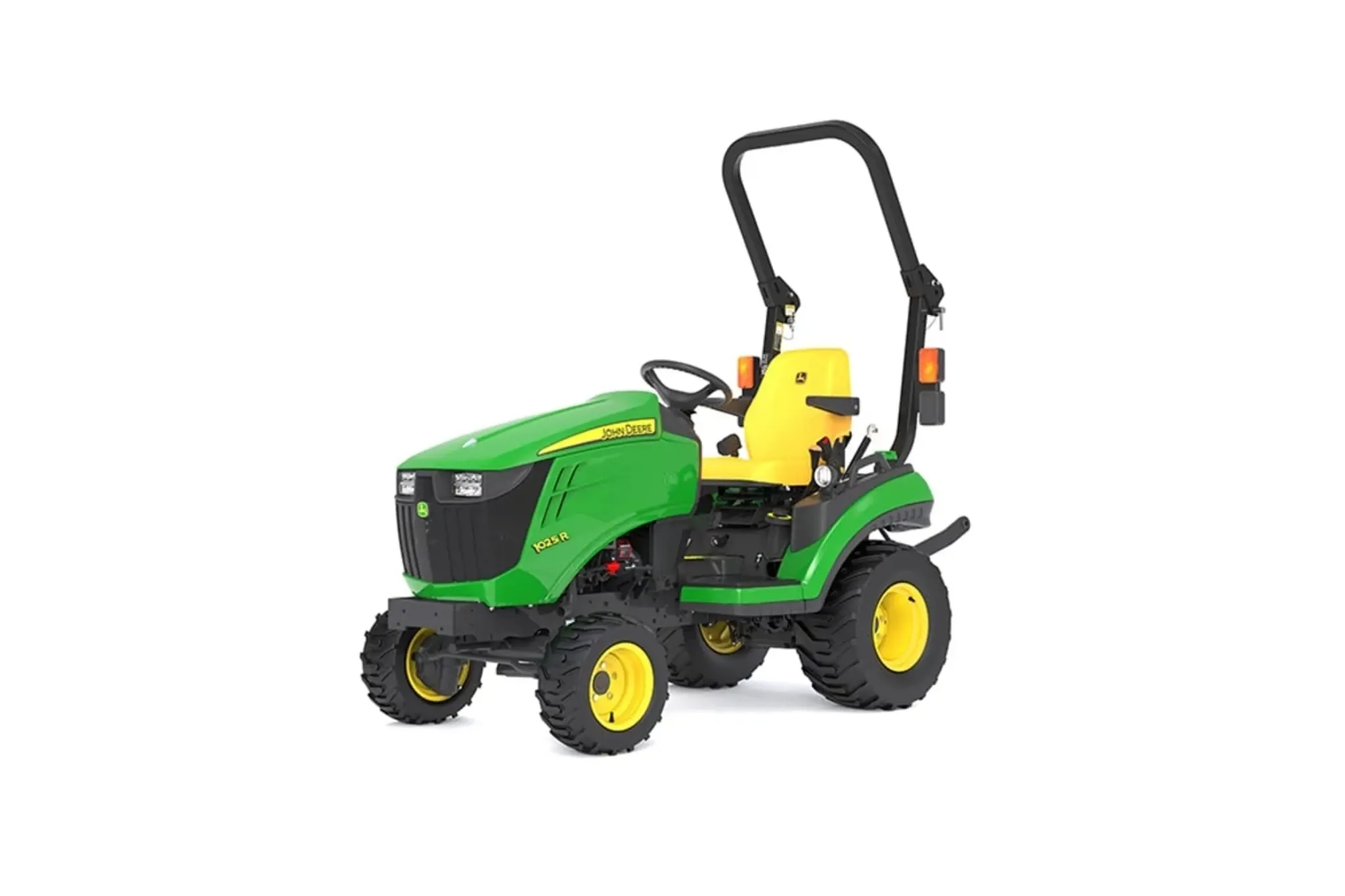
John Deere 1025R
Sub-Compact
Sub-compact contrast — many wide boxes fail Limited Category I or lift before engine rating matters.
Verified specifications for John Deere 1025R Engine horsepower 23.9 HP Operating weight 1,556 lbs Rear hitch lift 758 lbs 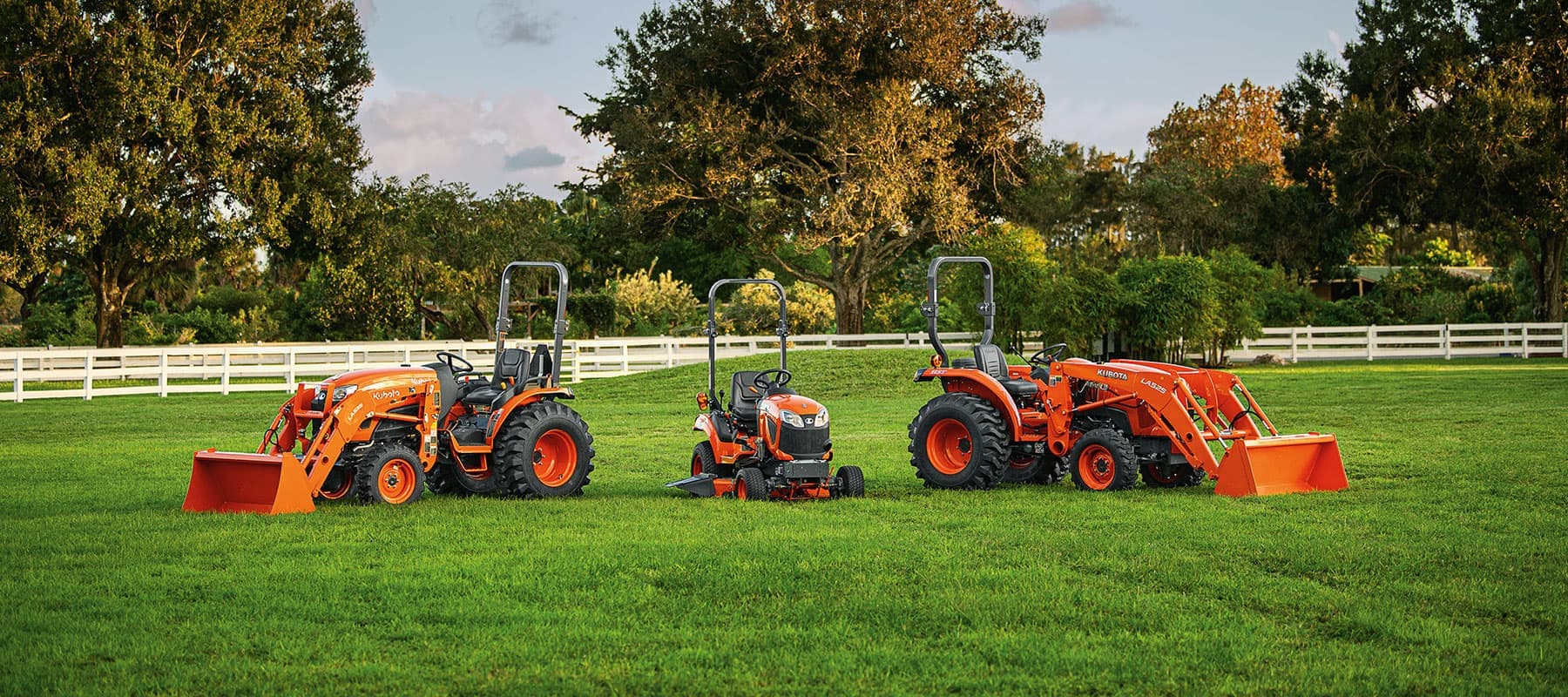
Pick 2
Kubota L2501
Compact
Typical compact pairing for driveway and light grading when hitch and lift Facts clear the scraper sheet.
Verified specifications for Kubota L2501 Engine horsepower 24.8 HP Operating weight 2,623 lbs Rear hitch lift 1,389 lbs 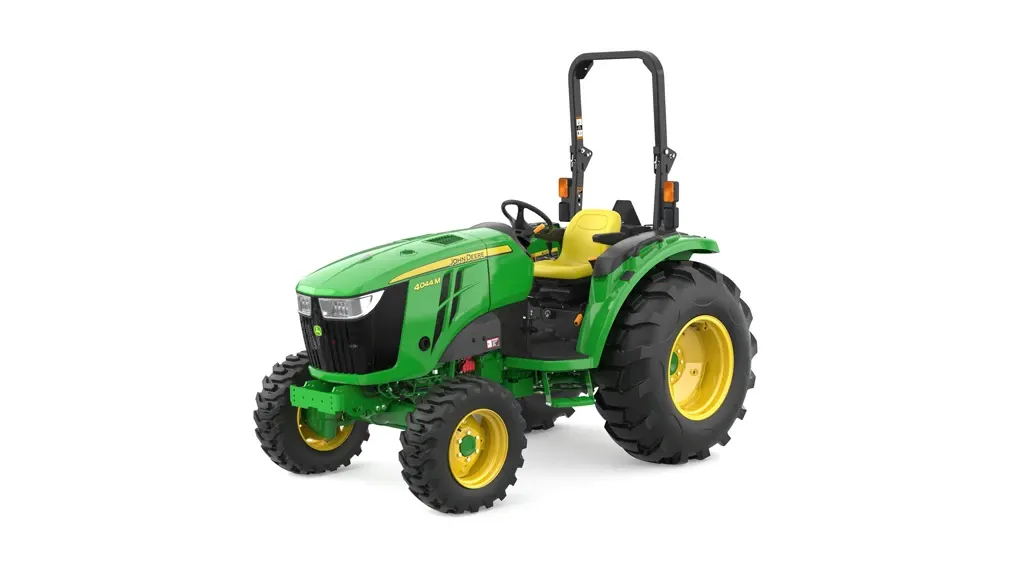
Pick 3
John Deere 4044M
Compact
Step-up compact when heavier boxes need more ballast and hitch stiffness.
Verified specifications for John Deere 4044M Engine horsepower 43.1 HP Operating weight 3,770 lbs Rear hitch lift 2,500 lbs
How size classes compare
Tractor size classes (typical range)
Sub-Compact
1–5 acres
Loader and mower
Compact
5–20 acres
Bush hog and tiller
Utility
15+ acres
Hay and heavy implements
Illustrative: match class to property size and implement load, not horsepower alone.
Box blades are lift-first tools
Most box scrapers are non-PTO. The critical Facts are hitch class, shipping weight, and rear lift at twenty-four inches with headroom. Engine horsepower still matters for traction, but Fit first proves the three-point can carry and control the box.
Width, weight, and Limited Category I
Wider boxes pile on mass at the lower links. Limited Category I on sub-compacts is not automatic Category I interchange. If the sheet does not name Limited Cat I or sub-compact support, treat full Cat I boxes as unverified on short frames.
How Fit treats non-PTO implements
Our checker skips PTO horsepower and RPM when the implement sheet has no PTO requirement. You still get hitch, lift and sub-compact geometry checks, plus the blade maker's upper HP limit. Partial means one of those can't be confirmed yet: a tractor Fact isn't on file, or the maker's HP limit isn't on file or isn't published.
Decide before you buy
Note hitch list and weight from the OEM sheet. Pick your tractor and a matching box class in Fit. Pass on paper, then confirm serial-year manuals and ballast guidance. See our box blade horsepower guide for width rules of thumb.
What usually fails first
Hitch class and rear lift versus shipping weight. A blade that pins can still overload a light sub-compact on a crowned lane. Watch Limited Category I callouts on sub-compacts.
Grading on slopes
Paper Fit does not replace ballast and tire choice on grades. After Compatible, read OEM ballast notes and keep speed down when the blade digs in.
FAQ
- Do I need PTO for a box blade?
- Usually no. Standard rear box scrapers are three-point tools without a driveline. Confirm the exact sheet.
- Why did Fit fail lift on a light-looking box?
- Shipping weight plus headroom often exceeds sub-compact lift. The deck looks simple; the arms still carry the full mass.
- Is a rear blade the same as a box blade?
- No. A rear blade is an open moldboard; a box blade has sides and a scarifier frame. Check the matching implement type.
- Does a quick hitch change fit?
- It adds convenience, not lift or hitch class. Prove category and lift first, then consider a Cat 1 quick hitch.
- Why is there no PTO check on my box blade?
- Most box blades are non-PTO, so Fit checks hitch, lift and the blade maker's upper HP limit instead. If you see Partial, the row names the number we can't confirm, often the maker's HP limit or a hitch or lift Fact.