Do You Need a Backhoe on Your Tractor?
By Roy Messiah · Last updated: 19 July 2026
Top pick tractors in this guide
The bottom line
Buy a backhoe only if trenching, footing work, or repeated digging is a core chore — not a once-a-year project. Backhoes add cost, weight, and storage length to compact tractors. Many acreage owners rent excavation for rare jobs and use a loader with box blade for daily maintenance.
Numeric specs in pick tables come from manufacturer pages in our verified database — not from AI-generated text.
Top picks
Pick 1
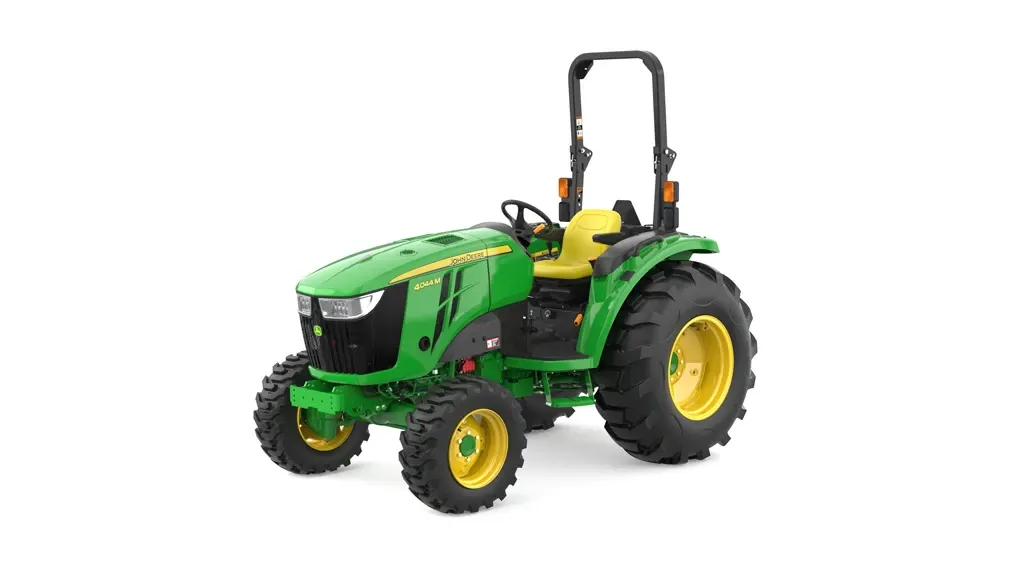
John Deere 4044M
Compact
Utility-leaning frame example where backhoe attachments are more common — illustrates weight and stability needs for serious digging.
Verified specifications for John Deere 4044M Engine horsepower 43.1 HP Operating weight 3,770 lbs Rear hitch lift @ 24″ 2,500 lbs @ 24″ - KubotaL4701
Pick 2
Kubota L4701
Compact
Heavier compact reference for buyers considering dealer backhoe kits on frames with enough mass for light trenching.
Verified specifications for Kubota L4701 Engine horsepower 47.3 HP Operating weight 3,300 lbs Rear hitch lift @ 24″ 2,320 lbs @ 24″ 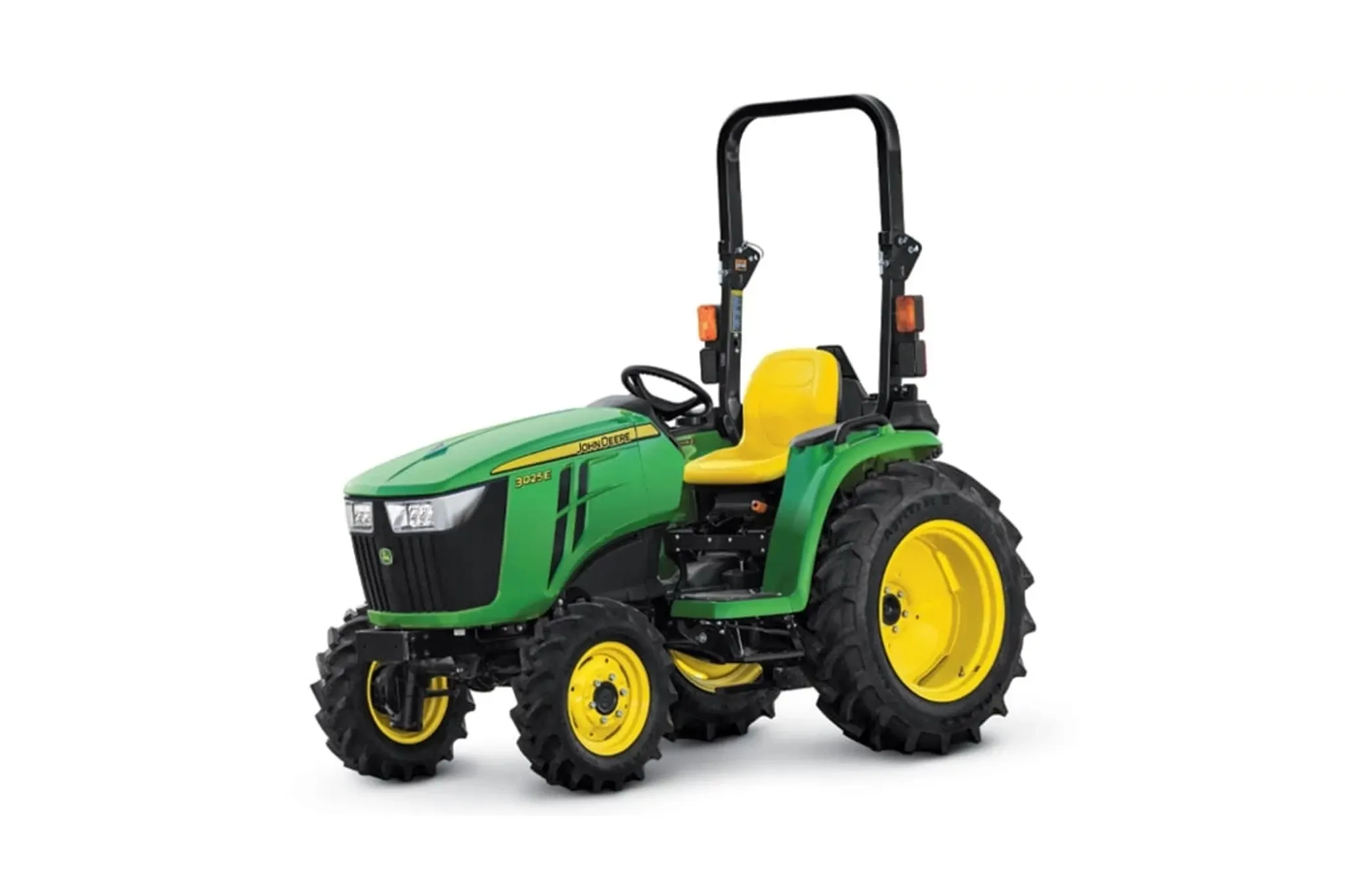
Pick 3
John Deere 3025E
Compact
Value compact showing that backhoe kits exist on smaller frames — verify stability limits before committing on property-scale digging.
Verified specifications for John Deere 3025E Engine horsepower 24.72 HP Operating weight 2,222 lbs Rear hitch lift @ 24″ 1,356 lbs @ 24″
How size classes compare
Tractor size classes (typical range)
Sub-Compact
1–5 acres
Loader and mower
Compact
5–20 acres
Bush hog and tiller
Utility
15+ acres
Hay and heavy implements
Illustrative: match class to property size and implement load, not horsepower alone.
Backhoe chores that justify ownership
Water line runs, drainage trenches, footing pads for outbuildings, and repeated utility burial on your own land. If those are annual projects, ownership can beat rental logistics. Occasional stump or line work usually favors rental or contractor.
Weight and maneuverability tradeoffs
Backhoes extend length and shift weight — turning and storage suffer. Sub-compact and compact owners often lose barn clearance when a backhoe stays mounted. Plan removal and mounting time if you share one tractor across mowing and digging.
Alternatives many owners overlook
Front loaders with box blades handle grading; post-hole diggers cover fence posts; rental mini excavators solve deep or tight jobs. See our front-end loader guide for the daily-chore case against backhoe cost.
Rent vs own the dig hours
Occasional trenches and footings often cost less as rentals. A tractor-mounted backhoe makes sense when you dig monthly and accept the weight, ballast, and storage cost on the same machine you mow with.
Fit the host tractor first
Backhoe kits list tractor class and hitch requirements. Confirm the host clears your other implements in Fit, then verify the backhoe OEM sheet — do not assume engine HP equals dig capacity.
FAQ
- Can I add a backhoe later?
- Often if the frame is backhoe-ready and a compatible kit exists. Factory integration sometimes prices better than retrofit — compare before first purchase.
- Is a backhoe the same as an excavator?
- No — tractor backhoes are lighter and slower than dedicated excavators. They suit property-scale trenching, not production earthmoving.
- Do backhoes affect mowing?
- Mounted backhoes block mid-mount decks and change weight distribution. Most owners remove backhoes for mowing season or dedicate a machine to digging.
- Will a backhoe replace a mini excavator?
- Not for serious digging depth and reach. It covers light property trenches when the tractor Facts and kit sheet agree.