Best Tractor for a Market Garden
By Roy Messiah · Last updated: 19 July 2026
Top pick tractors in this guide
The bottom line
Market gardens need rear PTO for tillers and bed tools, careful turf compaction management, and often a loader for compost and harvest hauls — usually compact or nimble sub-compact depending on bed layout and greenhouse clearances. Match width to pathways; oversized tractors damage beds and waste turning time.
Numeric specs in pick tables come from manufacturer pages in our verified database — not from AI-generated text.
Top picks
Pick 1
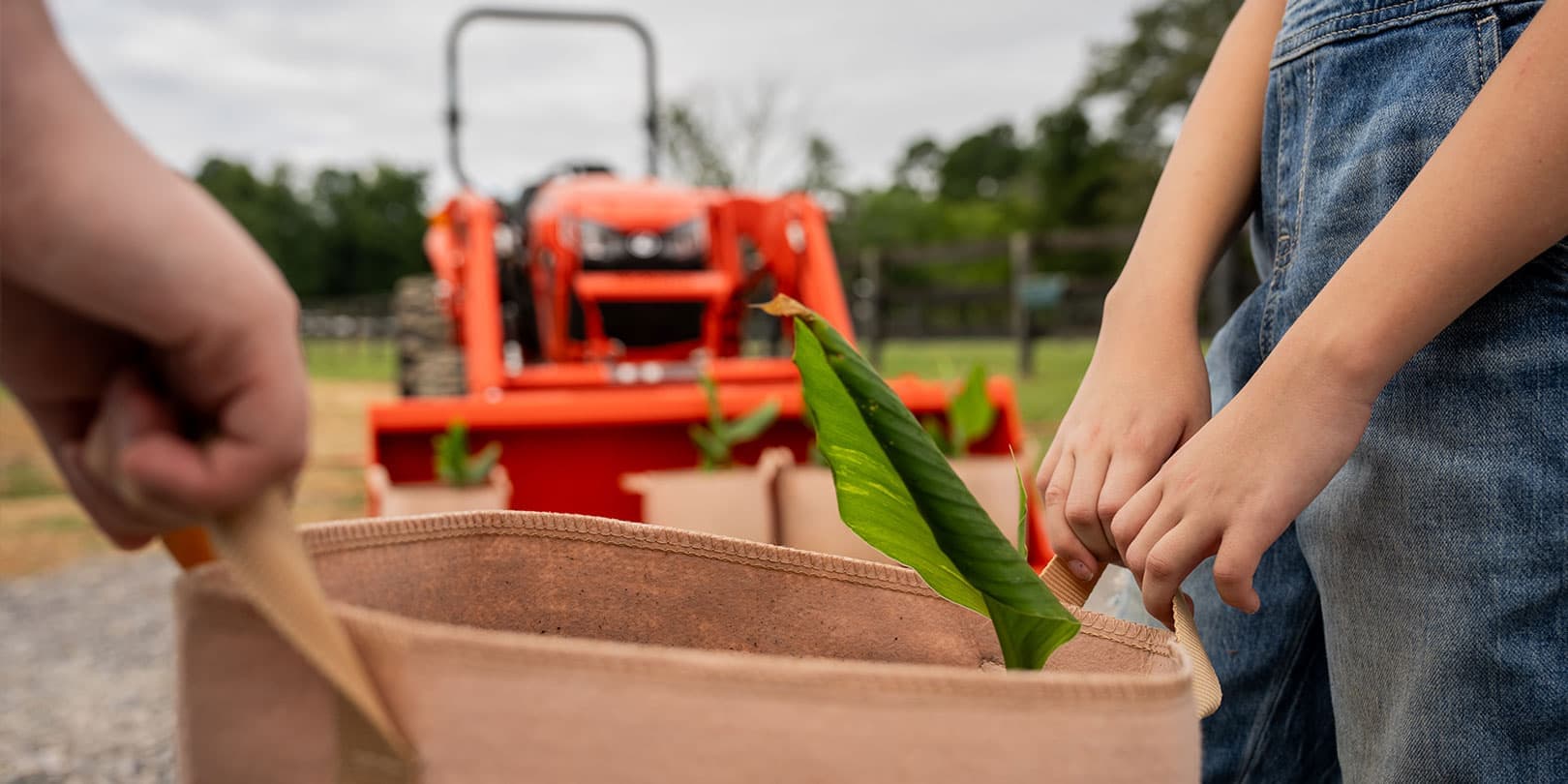
Kubota L3302
Compact
Compact with PTO and hitch for tillers and spreaders while staying maneuverable along permanent bed layouts.
Verified specifications for Kubota L3302 Engine horsepower 33 HP Operating weight 2,833 lbs Rear hitch lift @ 24″ 1,435 lbs @ 24″ 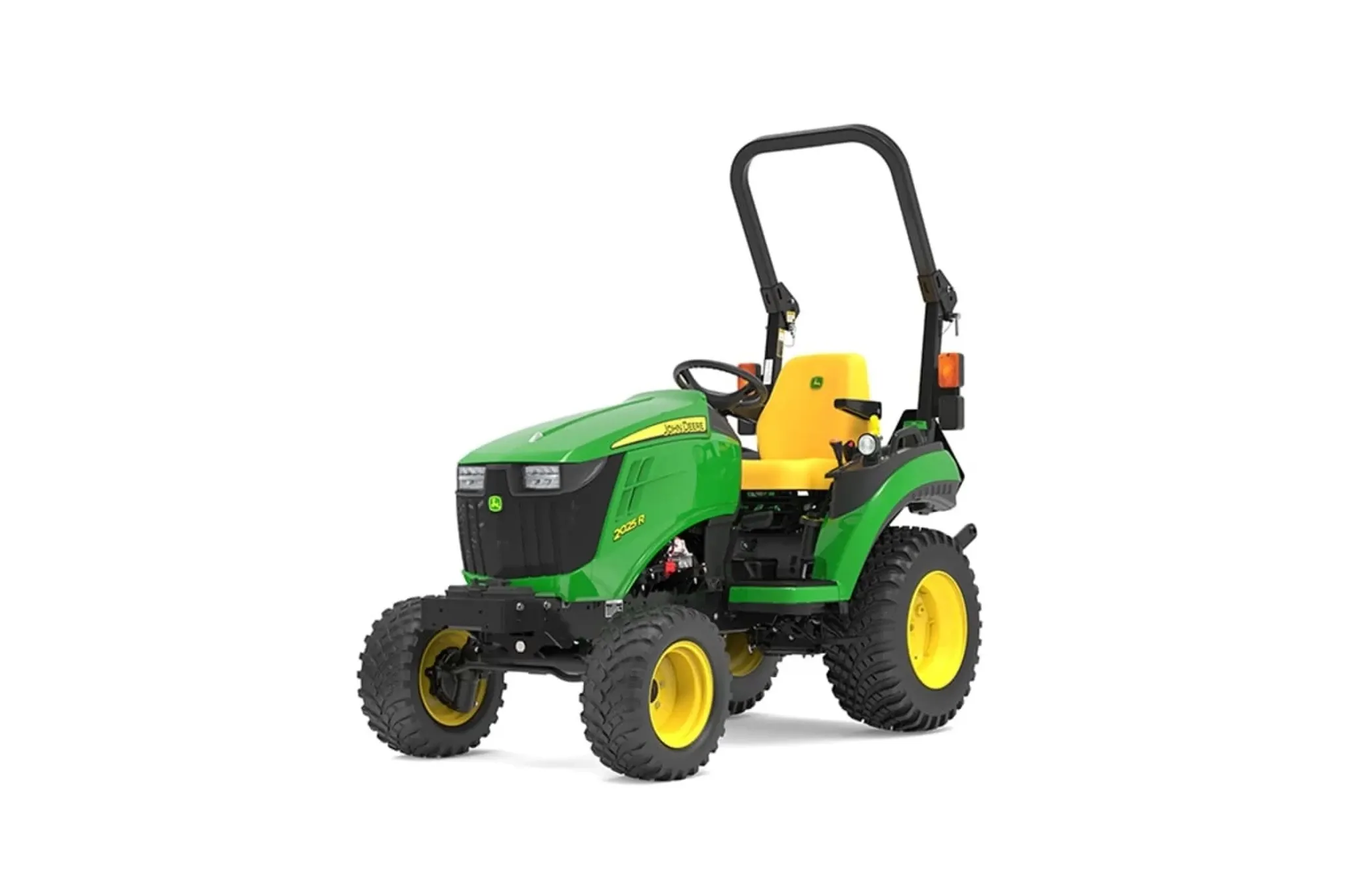
Pick 2
John Deere 2025R
Compact
Sub-compact step-up when greenhouse doors and narrow headlands limit compact width but tillage loads are real.
Verified specifications for John Deere 2025R Engine horsepower 23.9 HP Operating weight 1,872 lbs Rear hitch lift @ 24″ 915 lbs @ 24″ 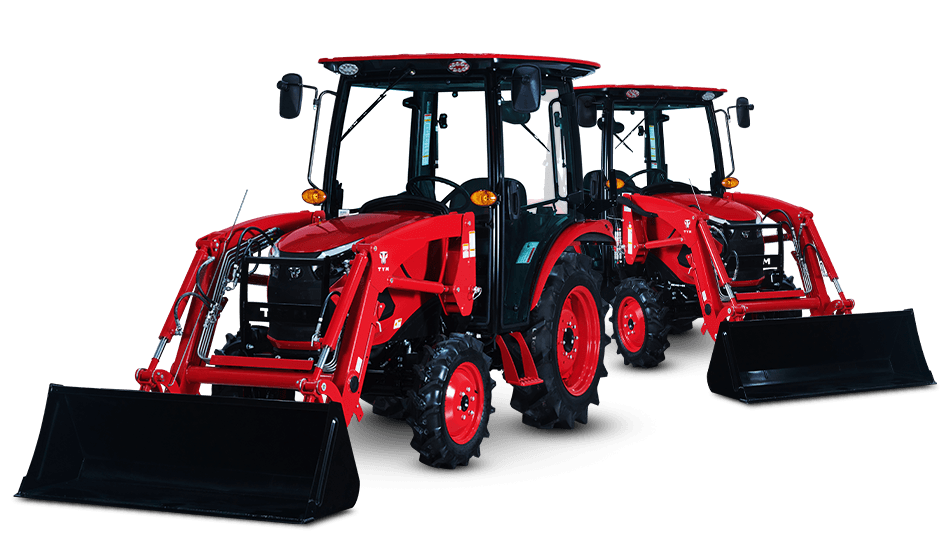
Pick 3
TYM T3035C
Compact
Value compact for growers scaling bed acres who need hitch headroom without utility transport width.
Verified specifications for TYM T3035C Engine horsepower 35 HP Operating weight 3,313 lbs Rear hitch lift @ 24″ 2,425 lbs @ 24″
How size classes compare
Tractor size classes (typical range)
Sub-Compact
1–5 acres
Loader and mower
Compact
5–20 acres
Bush hog and tiller
Utility
15+ acres
Hay and heavy implements
Illustrative: match class to property size and implement load, not horsepower alone.
Bed layout drives footprint
Permanent beds and high tunnels punish long wheelbases. Measure headland turns and door heights before buying the largest compact on the lot. Sometimes a well-ballasted sub-compact outproduces a wide compact you cannot align with rows.
Tillage and compost cycles
Tillers, power harrows, and spreaders need PTO discipline — see our rotary tiller guide for width mindset. Loader work moves compost, mulch, and harvest bins on market days.
Turf compaction and tires
Repeated passes compact soil between beds. Tire choice and ballast affect bed edges — plan paths and use the smallest tractor that safely runs your heaviest implement.
Bed width and turning beat peak horsepower
Market gardens punish wide frames and long wheelbases more than they punish moderate HP. Prioritize tight turning, a Category I hitch, and a tiller or bedder that Fit-clears your tractor — then add a loader if you move compost weekly.
Implements first, tractor second
Write the tiller, mower, and box blade you will own. Screen each on hitch, PTO, and lift. A sub-compact that fails the tiller sheet will frustrate you every spring even if it looks nimble on YouTube.
FAQ
- Is sub-compact enough for a market garden?
- Often for an acre or two of intensive beds with narrow paths. Scaling acreage or heavier tillage usually moves to compact class.
- Do I need a greenhouse-specific tractor?
- No — you need verified clearance and turning radius. Measure doors and internal rows with implements mounted.
- Can walk-behind tools replace a tractor?
- Walk-behinds work at micro scale. Once bed acres and loader hours grow, diesel compacts return economics and save operator fatigue.
- Do I need a utility tractor for market garden work?
- Usually no. Compacts and capable sub-compacts cover bed prep when implements match. Utility frames help when you move into small hay or heavier brush.