Best Tractor for Grading a Driveway
By Roy Messiah · Last updated: 27 September 2026
Top pick tractors in this guide
The bottom line
For driveway grading among these closed-domain compact peers, start with the Kubota L3302 when verified weight, a Category I hitch, and PTO headroom matter for regular box-blade work; choose the John Deere 3025E as the lighter entry compact; choose the TYM T3035C when a heavier frame and verified rear lift (2,425 lb @ 24″) lead. All three are Category I, so Fit the hitch and PTO to the blade before you buy. Front loader lift stays Partial until the exact OEM package sheet is checked, engine HP is not PTO HP, and sub-compacts stay light-touch-up options rather than regular-grading peers.
Numeric specs in pick tables come from manufacturer pages in our verified database — not from AI-generated text.
Cross-pick Fact table
| Spec | Kubota L3302 | John Deere 3025E | TYM T3035C |
|---|---|---|---|
| Engine HP | 33 | 24.72 | 35 |
| PTO HP | 26.1 | 24.4 | 30 |
| PTO RPM | 540 | 540 | 540 |
| Hitch | Cat I | Cat I | Cat I |
| Rear lift @ 24″ | 1,435 lb | 1,356 lb | 2,425 lb |
| Operating weight | 2,833 lb | 2,222 lb | 3,313 lb |
| Size class | Compact | Compact | Compact |
| Front loader lift | Partial | Partial | Partial |
Top picks
Pick 1
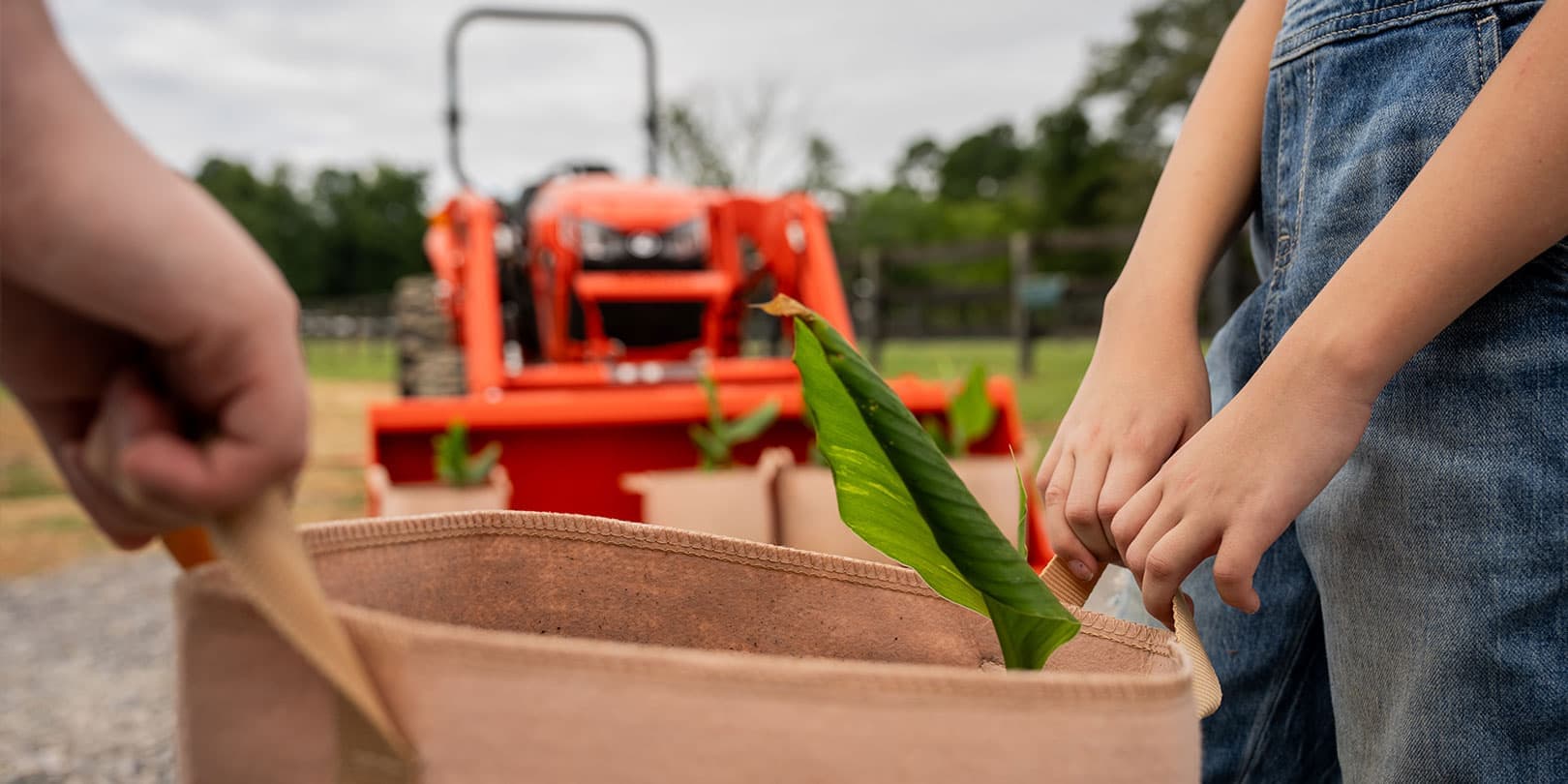
Kubota L3302
Compact
Compact pick for regular box-blade passes and loader gravel work, with OEM-overlay hitch and PTO Facts available for attachment screening.
Verified specifications for Kubota L3302 Engine horsepower 33 HP Operating weight 2,833 lbs Rear hitch lift @ 24″ 1,435 lbs @ 24″ Hitch category Category I PTO horsepower 26.1 PTO HP PTO RPM 540 RPM Front loader lift: Partial — look up the OEM sheet for the exact loader package.
Pick 2
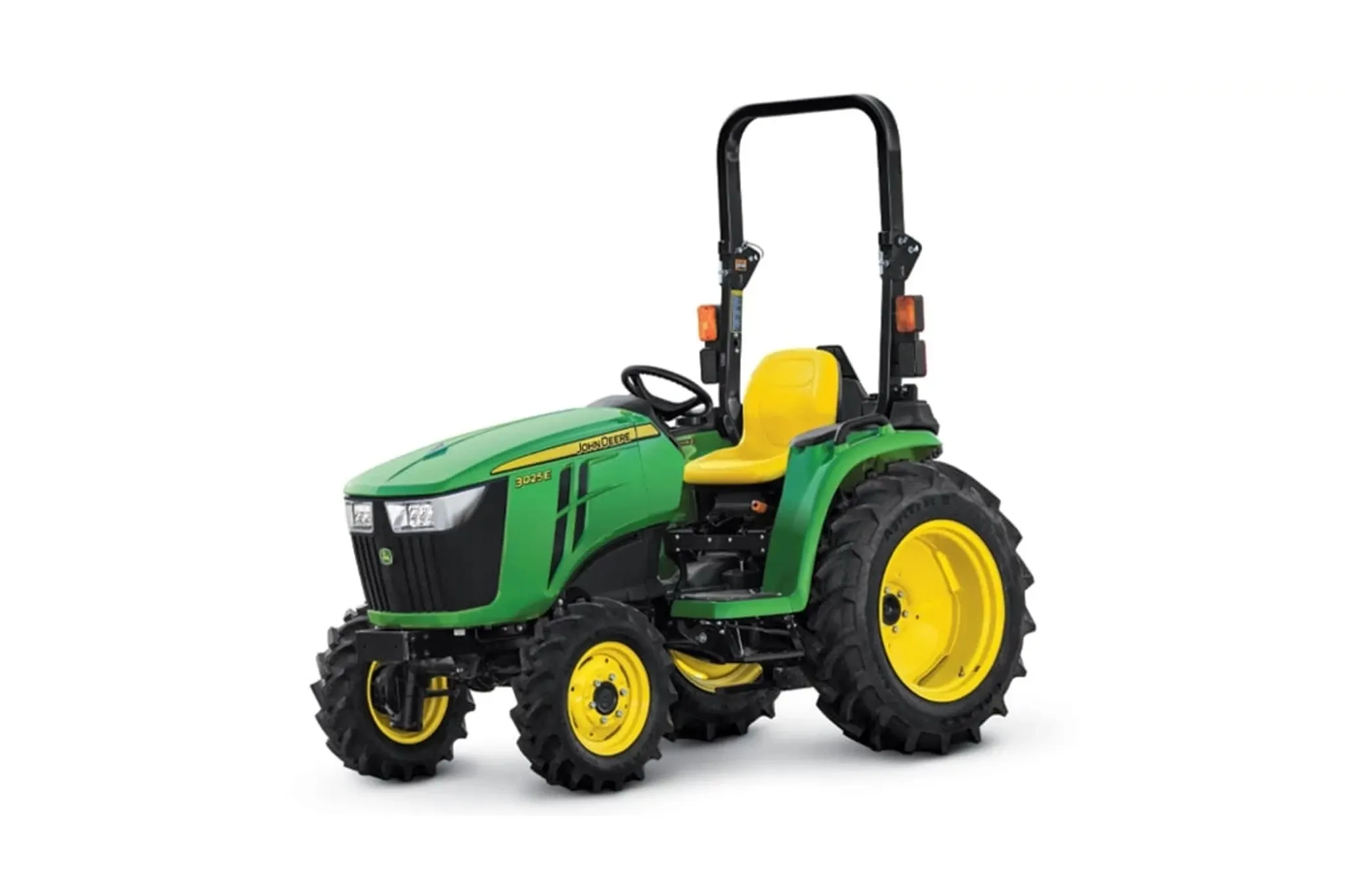
John Deere 3025E
Compact
Entry compact reference for buyers who want a straightforward grading platform and will verify the exact loader package separately.
Verified specifications for John Deere 3025E Engine horsepower 24.72 HP Operating weight 2,222 lbs Rear hitch lift @ 24″ 1,356 lbs @ 24″ Hitch category Category I PTO horsepower 24.4 PTO HP PTO RPM 540 RPM Front loader lift: Partial — look up the OEM sheet for the exact loader package.
Pick 3
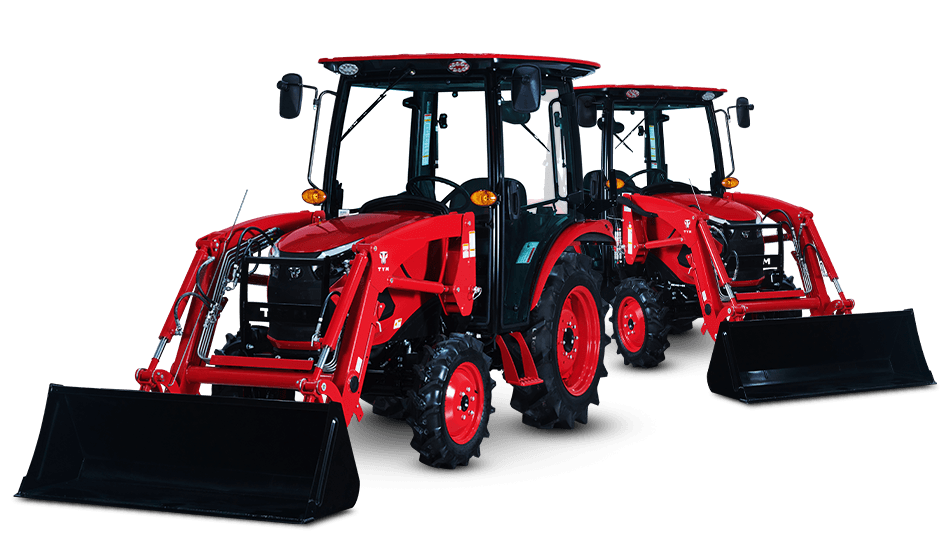
TYM T3035C
Compact
Heavier compact alternative for longer lanes where traction and rear-implement control matter more than sub-compact maneuverability.
Verified specifications for TYM T3035C Engine horsepower 35 HP Operating weight 3,313 lbs Rear hitch lift @ 24″ 2,425 lbs @ 24″ Hitch category Category I PTO horsepower 30 PTO HP PTO RPM 540 RPM Front loader lift: Partial — look up the OEM sheet for the exact loader package.
How size classes compare
Tractor size classes (typical range)
Sub-Compact
1–5 acres
Loader and mower
Compact
5–20 acres
Bush hog and tiller
Utility
15+ acres
Hay and heavy implements
Illustrative: match class to property size and implement load, not horsepower alone.
Check Fit, Compare peers, or ask Advisor
- Check box blade Fit →
- Check rear blade Fit →
- Size a landscape rake by hitch and lift — typed Fit is unavailable →
- Review the box blade hitch and lift guide →
- Review box blade horsepower sizing →
- Compare John Deere 2032R vs Kubota L3302 (compact peers) →
- John Deere 2025R — lighter compact grading option →
- John Deere 1025R — sub-compact for light touch-ups only →
- Ask Advisor to rank tractors for your chores →
Landscape rake coverage is Partial and has no typed Fit surface: use the hitch-matching guide, then verify the rake's hitch category, weight, and width on its OEM sheet.
Pick the tractor class before the model
A sub-compact can handle light touch-ups on a short, firm lane, but it should not be treated as a same-class peer to the compact picks above. Regular grading, deep potholes, soft shoulders, or repeated gravel moves usually favor compact frame mass. The John Deere 1025R link is therefore a light-duty reference only; the John Deere 2025R is the closer compact-class step.
Box blade or landscape rake?
A box blade cuts high spots, carries gravel, and helps rebuild a crown. A landscape rake loosens surface stone, pulls debris, and leaves a lighter finish, but it does not carry material like a box. Many owners eventually use both. Start with the attachment that matches the recurring job, then screen hitch category, attachment weight, width, and rear lift before buying the tractor.
Grading is a system, not one attachment
Maintaining a gravel drive cycles between loader work for moving material, box-blade passes for cutting and carrying, and rake or blade passes for finishing. Drainage and crown matter more than making the surface look flat. Size the tractor around the heaviest normal pass, not an unusually easy finish pass.
Use Fit, but keep unknowns visible
For a box blade or rear blade, open Fit with that supported type selected and compare the attachment sheet against the tractor's OEM-overlay hitch Fact and rear-lift Fact. Landscape rake catalog coverage is Partial and has no typed Fit surface, so use the existing hitch-matching guide and verify the rake sheet yourself. A missing capacity is unknown, not permission to assume the attachment fits.
Why the table includes PTO Facts
Most box blades and landscape rakes are ground-engaging, non-powered attachments, so PTO power does not prove grading ability. The verified PTO Facts remain in the table because owners often share the tractor with powered tools. Hitch category and lift are the direct attachment checks; traction, ballast, and frame control decide how well the setup grades.
Loader capacity is a separate Fact
A front loader moves gravel and spoil, but its lift chart is not the rear three-point rating shown in the pick table. Loader capacity changes with the loader model, bucket, measurement point, and tractor setup. Where the exact package is not on file, this guide marks it Partial and sends you back to the OEM loader sheet.
Stability on slopes and washouts
Steep drives need traction, low carried loads, sensible ballast, and careful travel direction. Four-wheel drive helps, but it does not cancel rollover risk or make an oversized attachment controllable. Frame mass and a correctly sized rear tool matter when loose gravel or a loaded box shifts the tractor.
Compare only after class and attachment
Once the attachment and tractor class are fixed, Compare same-class peers on verified hitch, lift, weight, and PTO Facts. The linked John Deere 2032R and Kubota L3302 comparison stays within compact class. Advisor is useful when grading shares the machine with mowing, snow, or loader chores.
FAQ
- Box blade or rear blade for a driveway?
- A box blade cuts, carries, and redistributes gravel. A rear blade is useful for windrowing, light shaping, and snow. For recurring potholes and crown repair, a box blade is usually the more complete grading tool.
- Is a Kubota a good tractor for grading a driveway?
- Among the compacts on this page, start with the Kubota L3302 (Category I, verified weight and PTO in the cross-pick table) for regular box-blade work. The John Deere 3025E is the lighter entry; the TYM T3035C leads on verified rear lift. A Kubota sub-compact is not a peer for regular grading — light touch-up only. Loader lift is Partial.
- Can I grade with only a loader?
- A loader can place and roughly spread gravel, but it is poor at maintaining a consistent crown and controlling shallow cuts over a long run. Use a rear grading attachment for the finish and drainage shape.
- Sub-compact for a long driveway?
- Treat a sub-compact as a light-touch-up option, not a direct peer to these compact picks. Long lanes, soft shoulders, frequent washouts, and material moving generally justify compact frame mass after the attachment sheet clears.
- What does Partial mean in the pick table?
- Partial means the needed capacity is not verified for the exact configuration on file. It is not a low rating and not a Fit approval. Check the tractor and loader OEM sheets, then match their measurement points to the attachment requirement.